

Folk Songs in the Model Music Curriculum
- Details
- Written by: EFDSS
- Category: Learning Resources
- Hits: 14582
- A-Z Description: selected resources for use by teachers with the pupils in schools
- Background: Cream (default)
- Layout: Resource
- Hero slider Cecil Sharp House animated handwriting: No
- Resource PDF(s):
- Title: English Folk Songs for the Model Music Curriculum , PDF: images/present/Docs/Resource-Bank-PDF/English_Folk_Songs_in_the__Model_Music_Curriculum_Resource.pdf
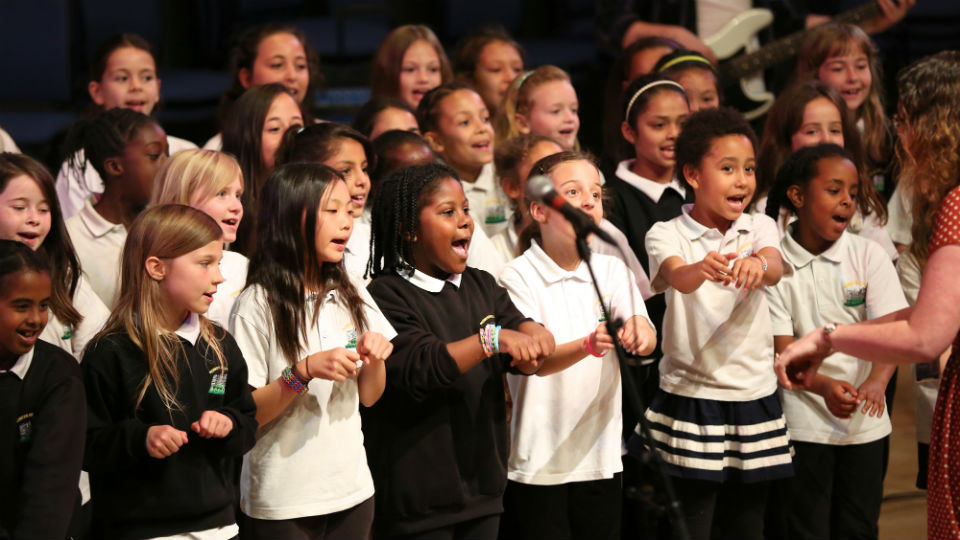
We were very happy to contribute a collection of English folk songs for the new Model Music Curriculum. Here is a document to help you find them in our Resource Bank, along with supporting teachers’ notes and audio files.
This resource comprises a list of 24 English folk songs included in the Model Music Curriculum which appear in our online Resource Bank. The tables of songs – 8 each for Key Stages 1, 2 and 3 – are ordered according to Year and Key Stage. Each song is listed with a short description, title of the resource that includes it, the page number featuring the song, and a link to the relevant webpage of the Resource Bank.
The selection covers a range of different kinds of folk songs and topics – from sea shanties and work songs to narrative ballads and children’s ditties. We hope you will find plenty of inspiration for your classes and that you will continue to explore the wider offer in our Resource Bank!
The Model Music Curriculum is a non-statutory resource that provides a practical framework through which the statutory requirements of the National Curriculum for Music curriculum can be met. It accompanies the National Plan for Music Education and is intended for use by teachers for Key Stages 1, 2 and 3. The individual resources included within the Model Music Curriculum pack have been written by different people over a number of years and can vary in style and structure.
Some of the recordings for our resources use different keys than the accompanying sheet music. In folk music it is common to choose a key that is comfortable for you to sing or play in; feel free to change the key and find your own way to sing the song.
Exploring English Folk Music
- Details
- Written by: EFDSS
- Category: Learning Resources
- Hits: 13237
- A-Z Description: Exploring English Folk Music
- Background: Cream (default)
- Layout: Resource
- Hero slider Cecil Sharp House animated handwriting: No
- Resource video(s):
- Title: Video with subtitles, Thumbnail: https://www.efdss.org/images/present/Resource-bank/Music/vlcsnap-2021-11-25-17h04m52s182.png, Video1: https://media.efdss.org/resourcebank/video/ExploringEnglishFolkMusic-Subtitles.mp4
- Title: Video without subtitles, Thumbnail: https://www.efdss.org/images/present/Resource-bank/Music/vlcsnap-2021-11-25-17h04m52s182.png, Video1: https://media.efdss.org/resourcebank/video/ExploringEnglishFolkMusic.mp4
- Resource PDF(s):
- Title: Exploring English Folk Music, PDF: https://media.efdss.org/resourcebank/docs/ExploringEnglishFolkMusic.pdf
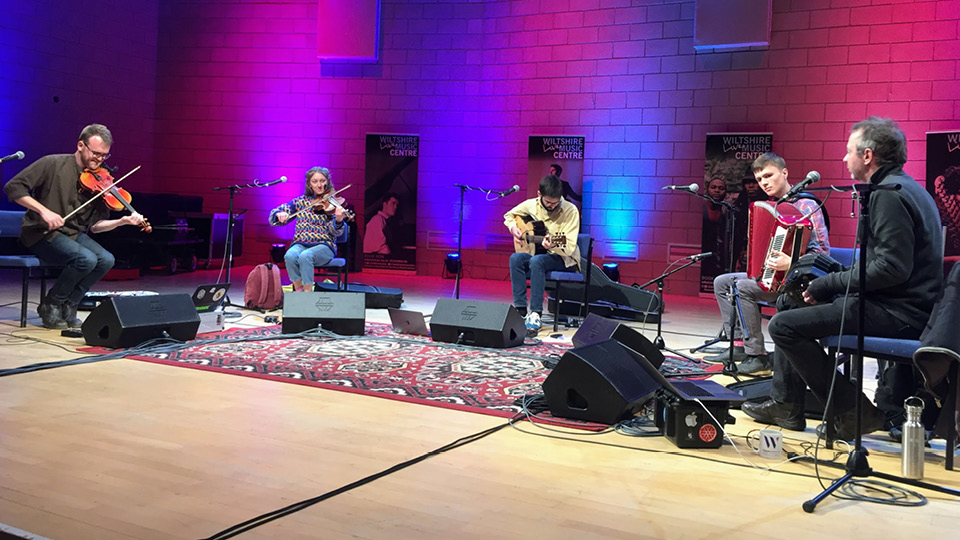
This resource introduces secondary school students to folk music through an interactive concert, featuring renowned folk musicians Sam Sweeney and Rob Harbron with National Youth Folk Ensemble alumni musicians Cori Smith, Louis Campbell and Martin Parker.
The concert was live-streamed in May 2021 from Wiltshire Music Centre for an online audience of local secondary schools (Key Stage 3 and above).
During the concert, listeners will learn about:
- Common features of folk music
- Different types of folk tunes and rhythms
- Creating musical arrangements
- Interpreting tunes found in manuscripts
- Riffs, chord progressions, modes, key changes
- Instruments – viola, English concertina, piano accordion
The accompanying PDF guides teachers through the concert and highlights the musical learning points that are covered in each section. It also contains information about the concert repertoire and performers, plus opportunities for further learning in folk and traditional music.
Exploring English Folk Music is a partnership between the English Folk Dance and Song Society, Wiltshire Music Centre, and Wiltshire Music Connect.
one of my favourite parts about playing folk music with other people is the room for improvisation... you have complete freedom to try out riffs or ideas – Cori Smith
An Introduction to Maypole Dances
- Details
- Written by: EFDSS
- Category: Learning Resources
- Hits: 59067
- A-Z Description: two dances from The Maypole Manual
- Background: Cream (default)
- Layout: Resource
- Hero slider Cecil Sharp House animated handwriting: No
- Resource audio(s):
- Title: Sample track: West Country Polkas, Audio1: https://media.efdss.org/resourcebank/audio/Maypole_WestCountryPolkas.mp3
- Title: Sample track: Jigs with a Twist, Audio1: https://media.efdss.org/resourcebank/audio/Maypole_JigsWithATwist.mp3
- Resource PDF(s):
- Title: Sample Dance: The Chrysanthemum, PDF: https://media.efdss.org/resourcebank/docs/MaypoleManual-the-chrysanthemum.pdf
- Title: Sample Dance: Twister, PDF: https://media.efdss.org/resourcebank/docs/MaypoleManual-twister.pdf
- Title: Lesson Plan (Year 1), PDF: images/present/Docs/Resource-Bank-PDF/MaypoleManual-LessonPlanYear1.pdf
- Title: Lesson Plan (Year 2), PDF: images/present/Docs/Resource-Bank-PDF/MaypoleManual-LessonPlanYear2.pdf
- Title: Lesson Plan (Year 3), PDF: images/present/Docs/Resource-Bank-PDF/MaypoleManual-LessonPlanYear3.pdf
- Title: Lesson Plan (Year 4), PDF: images/present/Docs/Resource-Bank-PDF/MaypoleManual-LessonPlanYear4.pdf
- Title: Lesson Plan (Year 5), PDF: images/present/Docs/Resource-Bank-PDF/MaypoleManual-LessonPlanYear5.pdf
- Title: Lesson Plan (Year 6), PDF: images/present/Docs/Resource-Bank-PDF/MaypoleManual-LessonPlanYear6.pdf
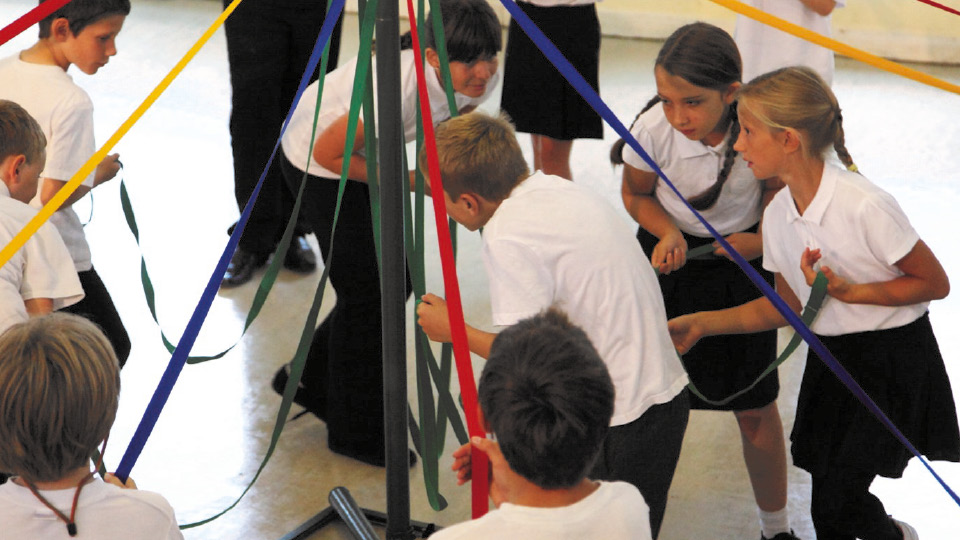
Maypoles are often considered to be quintessentially English, but maypoles actually exist in more than a dozen different countries around Europe, North, South and Central America. They go back hundreds of years although the earliest versions with ribbons didn’t appear regularly until the second half of the 19th century. The dances are performed in many different contexts, not always connected with May. So, whatever you do with a maypole you are linking into a vibrant multi-cultural living tradition.
Here are a few more reasons, and a couple of dances to try.
Enjoyment
The best reason we know for Maypole Dancing is that it is fun to do, great for all ages and abilities, and visually pleasing for those watching. People enjoy trying the dances and the teacher’s job becomes one of harnessing enthusiasm. Learning takes place automatically and teamwork becomes instinctive as the dancers realise that they have to work together to get results. While many people think Maypole is just for children, most adults love to have a go!
Three Dimensions
Because a Maypole is a three dimensional tool it takes learning into a different environment and children get a chance to think and learn away from the formal classroom environment. It is also one of the few forms of dance where the focus is not on the dancers but on the patterns and the ribbons and the dances can be adapted to suit the abilities and fitness of the group.
A Cross-Curricular Tool
There are various cross curricular links such as Science, Art & Design, Sport & PE and Music which can be explored alongside Maypole dancing. In many cases these will emerge naturally but more details can be found in The Maypole Manual.
Cultural Heritage
We start from the point of Maypoles being part of our cultural heritage but that this is shared. The Maypole is not unique to England and similar activities can be found around the globe. Even more common is the idea of seasonal celebrations so that once again the Maypole becomes the starting point rather than the end product.
A Visual Artform
Because the Maypole can be seen, it can easily become the focus of activities at summer fetes and the like, and including Maypole Dancing in these events then becomes a tradition. Better still, because it is so visible and relatively cheap compared to other pieces of equipment, raising funds for a new Maypole or to enhance the existing tradition becomes much easier for any school or group.
Sample Dance: The Chrysanthemum
A very simple dance with only one-quarter of the dancers moving at any one time. Works particularly well for a disparity of ages, uneven numbers, and differently abled dancers.
Suitable audio: West Country Polkas (8 x 32 bar Polkas)
Sample Dance: Twister
Dancers in turn change places with the dancer opposite them on the other side of the pole, creating two spiral plaits. Fun to dance and visually stunning.
Suitable audio: Jigs with a Twist (9 x 32 bar Jigs)
This resource (PDF, audio and website content) can be used and shared free of charge for non-commercial educational use only. Permission must be sought from Mike Ruff and EFDSS for any other use of this material.
The sample dances given here are taken from The Maypole Manual, by kind permission of the authors Mike Ruff and Jenny Read.
Sample audio tracks are taken from the accompanying CD, by kind permission of the band Quicksilver (Chris Haigh, fiddle / Mike Ruff, accordion and recorders / Bernard O’Neill, electric and acoustic bass / Graeme Taylor, guitar / Andy Dewar, drums).
More information and copies of this and other publications are available at mikeruffmusic.co.uk
Beginners’ guides
- Details
- Written by: EFDSS
- Category: Learning Resources
- Hits: 42269
- Background: Cream (default)
- Layout: Resource
- Hero slider Cecil Sharp House animated handwriting: No
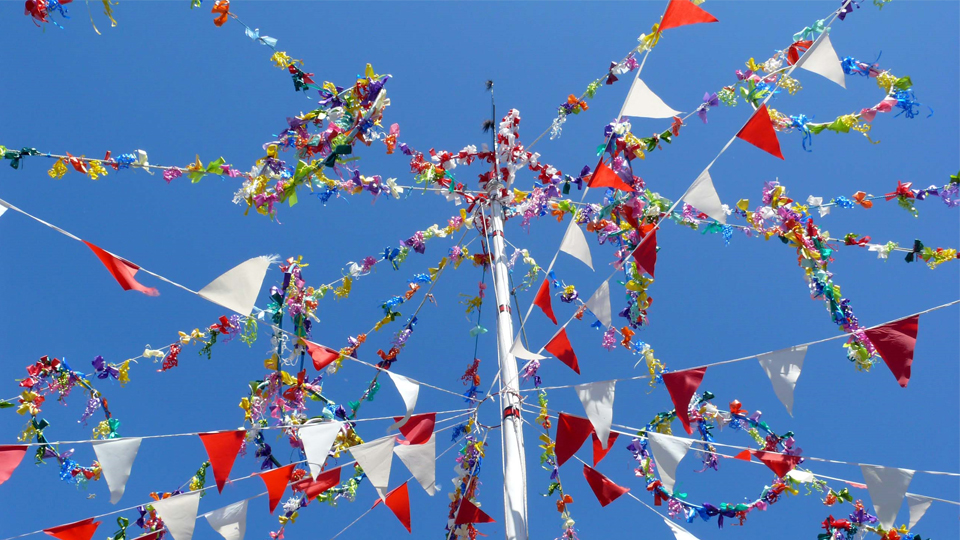
If you are new to the world of folk, the quicklinks below will help you find out more about English folk music, dance, song, custom, costume and traditions.
See also: Learning Resources | Resource Search | Glossary | A–Z
Announcement: Gold Badge 2025 Awardees
- Details
- Written by: EFDSS Editor
- Category: News
- Hits: 1693
- Background: Cream (default)
- Layout: Default
- Hero slider Cecil Sharp House animated handwriting: No
Congratulations to the latest recipients of the English Folk Dance and Song Society’s highest award
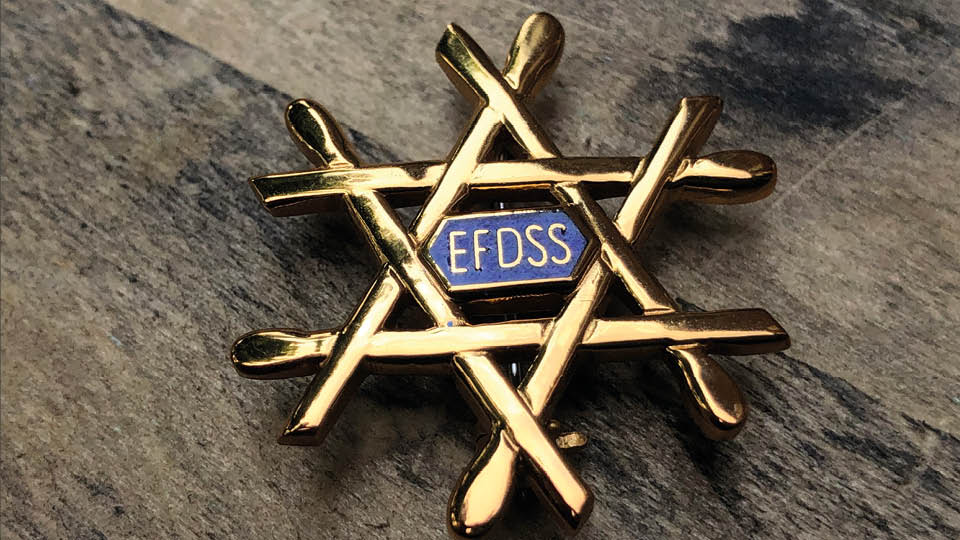
Gold Badges are presented for unique or outstanding contributions to folk music, dance or song and/or exceptional contributions to the Society’s work.
The first Gold Badges were awarded in 1922 to Lady Mary Trefusis and Mrs Dudley Hervey. In the following year, two seminal figures of the early 20th century folk movement were celebrated: the collector and educator Cecil Sharp, and Anglo-concertina player and morris dancer William Kimber. The list of illustrious Gold Badge holders includes composer/collector Ralph Vaughan Williams (1943), performer/writer AL Lloyd (1975), Ewan MacCoIl (1987), Peggy Seeger (1987), Shirley Collins (2003), Eliza Carthy (2007) and Kate Rusby (2019).
Anyone can make a nomination, which should be seconded by one other person. The deadline for nominations for 2026 is 31 March 2026: Find out how to nominate someone
Gold Badges for 2025 are awarded to:
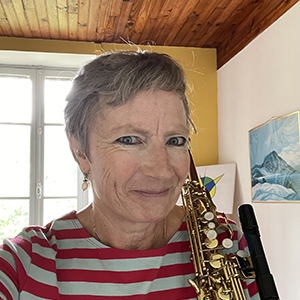 |
Jo FreyaJo composes, sings, is a multi-instrumentalist and the current artistic director of National Youth Folk Ensemble. Viewed as a maverick in her early days as a rare female saxophonist in the folk world, she is passionate about the music she plays. Keen always to learn from collaborations with others this has translated into the work she has done across international borders and between cultures on home ground both in bands and as a music educator. |
 |
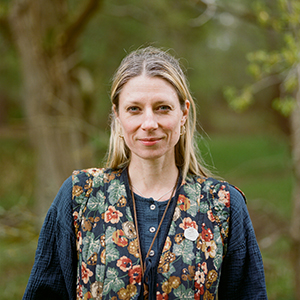
Fay HieldFay has been involved with folk since following her mum around with Oakworth Ladies Morris, and attending the Bacca Pipes Folk Club, through to her current roles as Professor of Music and director of Soundpost, a community music organisation. Alongside, she has maintained a performance career, with The Full English Band receiving two Folk Awards. Photo: Kate Griffin |
 |
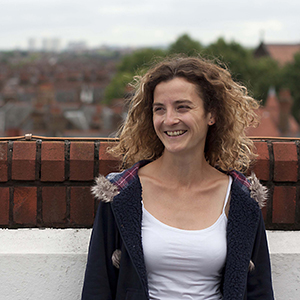
Alex MerryAlex is an illustrator, portrait painter and folk artist. Her work spans from intricately painted pet portraits to large scale folk beasts and ritual masks. As a founding member of Boss Morris, she breathes new life into ancient customs through performance, craft and reinvention – conjuring a dream-like world rooted in folk tradition. Photo: Sophie Davidson |
 |
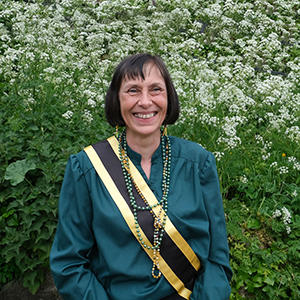
Laurel SwiftLaurel Swift is an inspiring instigator of creative projects and performances rooted in folk arts. A musician, singer and dancer, solo, with Gadarene and The Gloworms, Laurel founded Morris Offspring, co-created Under Her Skin with Debs Newbold, has choreographed morris for film and theatre, developed Shooting Roots, and has worked on many community projects including EFDSS’s London Youth Folk Ensemble. Photo: Matt Brassington |
 |
Pauline Woods-WilsonPauline, President of The Morris Federation from January 2020, has been modernising and enlarging the activities and profile of the organisation by way of online workshops and talks for the wider morris world (particularly during COVID) and, more recently, an Arts Council funded schools’ project. A morris dancer from age 19, and former dance teacher of Windsor Morris. Photography Photo: Dorset Morri’arty Photography |

Speakers announced for Folk Education Network Development Day at Cecil Sharp House
- Details
- Written by: Liberty Rowley
- Category: News
- Hits: 2111
- Background: Cream (default)
- Layout: Default
- Hero slider Cecil Sharp House animated handwriting: No
This event has now taken place
Speakers announced for
Creating Accessible and Inclusive Folk Dance
Saturday 15 March, 11am - 5.30pm
Cecil Sharp House, London
£35 Supporter (includes £10 donation) | £25 Standard | £15 Concessions
We are delighted to be able to put the lived experience of disabled people at the forefront of this day’s workshops and talks.
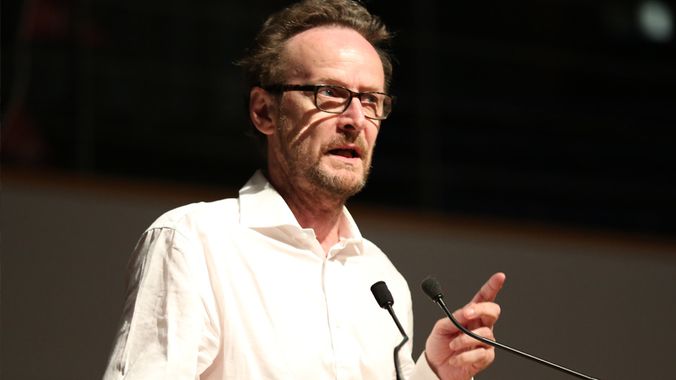
Janet Bell she/her– Janet grew up in ceilidh tents, fostering a lifelong passion for folk dance. Over the years, she has honed her skills as a dancer on feet, wheels, and using electric wheelchairs. With nearly two decades of wheelchair dancing and teaching experience, Janet is a highly skilled and inspiring wheelchair dancer and a dedicated advocate for accessibility. Janet will be our keynote speaker.
Seth Bye he/him - Composer, fiddle player and educator, facilitating accessible folk workshops across the UK. Specialising in traditional music styles, Seth tours with Filkin’s Music and The Destroyers. He has also toured with Giffords Circus, performing on fiddle, banjo and accordion.
Laura Dajao she/her - aka LauraDDances, Freelance Inclusive Dance Artist and aspiring producer influenced by Hip Hop and Contemporary and other styles such as Waacking, Lockin’, Dancehall, African and Krump. The three pillars of her work are Representation, Access and Inclusion where she looks to fuse movement from different styles to create her own vocabulary using her wheelchair to make cross collaborative art – inspired by Sign language, theatre, music, storytelling and spoken word through film and video technology as well as live performance with access at the core of her work.
Lisa Heywood she/her and Poppy Price Dowhan she/her – both experienced ceilidh* callers and folk dancers, Lisa and Poppy have been collaborating to research the experiences of disabled ceilidh dancers. With funding from an EFDSS mini grant they have surveyed over 100 dancers, and will be presenting their findings. There will also be a practical opportunity to join in with an accessible ceilidh dance.
Louise Katerega she/her– Head of Professional Development at People Dancing and freelance dance artist, performer, teacher, choreographer, consultant, strategic thinker, dramaturg and creative producer. Louise is especially acknowledged for her national and international development work in dance by, for and with disabled people. She will talk about People Dancing's work with disabled people and professional development programme. People Dancing: the Foundation for Community Dance is the development organisation for community and participatory dance, driving forward inclusion and excellence and supporting a UK-wide network of members – dance artists and organisations – who make great dance happen in all its diversity.
Penny Lury she/her – Co-Leader, Milkmaid Molly and former SEN/D school teacher and Founder, Mrs Gill Bosley she/her. Milkmaid Molly are a music and dance performance group for adults with learning disabilities and non-disabled dancers and musicians, based in Bury St Edmunds. Penny will present a case study and screen a short film of a performance by the group.
Sara Marshall-Rose she/her– Co-Director and dance artist at Folk 3D, and Dance Movement Psychotherapist in private practice. Sara will talk about her work, including Folk 3D’s mini grant from EFDSS in 2024 to develop an inclusive daytime ceilidh series aimed at older adults in the local community, and their families. Followed by a short practical workshop. Folk 3D creates exciting and innovative Folk Arts Programmes with schools and communities and were recently commissioned to work with the Morris Federation's successful Old Dances, New People, New Age project (aka Buzzing Britain project). Based in the East Midlands, they work with people of all ages and abilities across the UK to connect with local and national culture, tradition and heritage.
Emmie Ward she/her– Lead tutor, and Roary Neat they/them - tutor, EFDSS’ Inclusive Folk programme for learning disabled young people will present their learning resource, Dancing Days: Using Folk Arts in Inclusive Settings. The session will include a short practical workshop based on the resource.
This workshop and discussion day is for anyone who is interested in broadening the accessibility of folk dance teaching practice and performance, or anyone who is interested in finding out more about accessible and inclusive practice. Our focus will be on disability inclusion. There will be opportunities available for all to participate in dance and discussion.
Alan James Bursaries awarded for 2024
- Details
- Written by: Zoe Nicol
- Category: News
- Hits: 3756
- Background: Cream (default)
- Layout: Default
- Hero slider Cecil Sharp House animated handwriting: No
The EFDSS Creative Bursary and Residency Programme, now in its twelfth year, aims to support artists in exploring new creative ideas inspired by and sourced from traditional folk music relating to England. This programme provides artists with an opportunity to undertake creative exploration without the pressure of a final product.
This year we are delighted to be partnering with Black Lives in Music, Drake Music, and the Glasshouse International Centre for Music (Gateshead).
Alan James, a former Chair of the English Folk Dance and Song Society, died suddenly in April 2019. We now name these Creative Bursaries in his honour. In the spirit of Alan’s eclectic musical tastes and his ability to foster exciting artistic collaborations, we have encouraged applications which explore English folk music in the context of cross-genre or cross-art form collaborations and explorations.
Five creative bursaries have been awarded, all of which are funded through the PRS for Music Foundation Talent Development Partner scheme. They come under the umbrella of our Artists’ Development Programme, which provides professional development support, both creative and business, to artists at all levels of their career.
Each bursary is worth up to £2,000, and supports artists’ creative research and development together with use of rehearsal space at Cecil Sharp House and access to the Vaughan Williams Memorial Library.
Bursaries for 2024 have been awarded to:
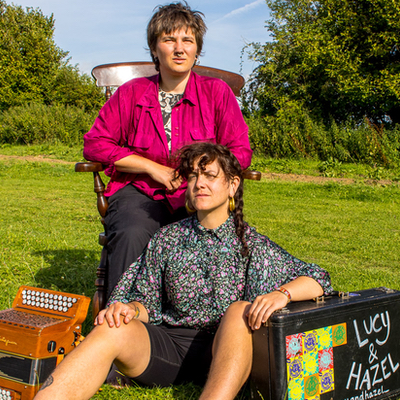
Lucy and Hazel
Lucy and Hazel are a Sheffield-based queer folk duo charming audiences with self-penned folk laced with humour, harmonies and heartache. They believe in creating music with a clear message of justice and equality, which balances honest lyricism with complex harmony and intricate instrumentation.
The bursary will support research and development of compositions for a concept album of music about land justice. This incorporates themes such as the climate crisis, the Right to Roam movement and the housing crisis.
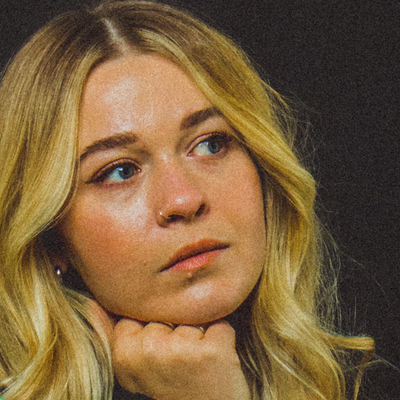
Amy Hollinrake
Inspired by English and Appalachian folk blended with alternative pop music, Amy Hollinrake draws on women’s stories within folklore and mythology and fuses them with a contemporary sound placing her at the forefront of the new era of feminist neo-folk.
The Alan James Creative Bursary will support Amy to write new songs inspired by different female archetypes. She aims to explore connections between medieval uses of ballad form, historical practices of female storytelling, moralities in myth and modern context.
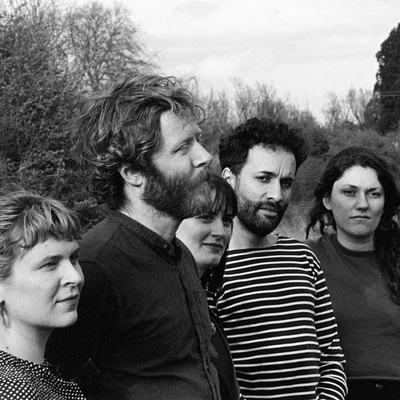
Remorae
Remorae (Florence Brady, Lauren Spiceley, Martha Wiltshire, Joseph Woods and Denis Wouters) is an interdisciplinary collective of artists brought together by the Folkatron Sessions recording project (featured by Songlines Magazine, BBC Radio 3, BBC Radio 2, 6 Music, Soho Radio, and Folk Radio UK). Exploring traditional musics through experimental processes.
The bursary will support the development of new work that takes as its starting point the themes of worker's rights, the mechanisation of labour, and the complex relationships between developing technologies and traditional musics.
Photo credit: Bruno Guastalla

Emily Portman
Emily Portman is an award-winning singer and songwriter with a passion for traditional songs. She has toured widely for over 15 years as a band leader, in a duo with Rob Harbron and with the renowned alt-folk song band The Furrow Collective. Emily was awarded a BBC Folk Award for ‘Best Original Song’ and has released three critically-acclaimed albums of original songs inspired by ballads and fairytales.
This burasry will support research and developement to enable Emily to complete and develop new original songs inspired by themes of finding magic in the everyday, with new accompanists guitarist Louis Campbell and cellist Lucy Revi.
Photo credit: Camilla Greenwell

Randolph Matthews
Randolph Matthews is a celebrated jazz vocal artist, composer, producer, and singer with a career spanning over 25 years. Known for his exceptional talent and versatility, Randolph has toured over 30 countries and collaborated with musical luminaries like Richard Bona, Bill Frisell, and Herbie Hancock. His performances have graced prestigious venues including Buckingham Palace and the Royal Albert Hall. Randolph's unique blend of vocal improvisation and jazz influences continues to captivate audiences worldwide.
This bursary will allow the time to explore the contributions of sailors from the African diaspora to the British maritime industry, focusing on the cultural and musical influences of sea shanties.
Read more about the English Folk Dance and Song Society’s bursaries
Katy Spicer, Chief Executive and Artistic Director, said: ‘Our bursaries are designed to kick-start projects, giving artists time to bring their ideas to life. We are delighted to pay tribute to Alan James with these six exciting and eclectic projects and very grateful to the PRS Foundation for their continued support.’
Recent English Folk Dance and Song Society creative bursaries have kick-started ground-breaking and far-reaching projects such as Angeline Morrison’s The Sorrow Songs, Sophie Crawford and George Sansome’s Queer Folk, Stick in the Wheel’s Perspectives on Tradition, Rowan Rheingans’ Dispatches on the Red Dress, and many more.
For further media information please contact Sammie Squire (Director of Marketing and Communications): [email protected]
About the English Folk Dance and Song Society
The English Folk Dance and Song Society is the national development agency for the folk arts. It aims to place the traditional arts of England at the heart of our cultural life – preserving, protecting, disseminating and promoting English traditional folk arts. It delivers a dynamic national and local education programme, enabling and increasing access to the folk arts alongside celebrating diversity and promoting equality. It runs the acclaimed National Youth Folk Ensemble. It supports folk artists through a flourishing artists development programme. It manages the Vaughan Williams Memorial Library – England’s national folk music library and archive – which contains a vast collection of books, manuscripts, films and audio-visual materials. The national custom-built headquarters of EFDSS is Cecil Sharp House, a busy arts centre situated just north of Regent’s Park in central London. efdss.org
About PRS Foundation
PRS Foundation supports organisations from across the UK which have been selected as PRS Foundation Talent Development Partners. These organisations are working at the frontline of talent development in the UK, supporting a broad range of individual music creators across different music genres and UK regions. This reflects PRS Foundation’s commitment to supporting composers and songwriters of all backgrounds either through direct investment or by helping organisations which nurture music creators and promote their music to audiences at home and overseas. prsfoundation.com

Exhibition celebrates Cecil Sharp’s Singers
- Details
- Written by: EFDSS Editor
- Category: News
- Hits: 8034
- Gallery:
- ImageTitle:
Cecil’s Singers: view of the exhibition, ImageText:
An exhibition of photographs from the Vaughan Williams Memorial Library’s archives, featuring photographs taken by Cecil Sharp of the people who sang to him.
Cecil Sharp, who died 100 years ago this year, collected almost five thousand songs from across England and the Appalachians, and played a key role in the effective 1904 relaunch of the Folk Song Society (which merged with the English Folk Dance Society in 1932 to form the English Folk Dance and Song Society). As he travelled around seeking songs, he often photographed the singers who performed for him; these images now reside in our archives, and the collection is one of our treasures.
We chose to focus on the English singers for this exhibition, most of whom lived in Somerset.
Sharp was one of the only song collectors to take photographs of his singers, and in doing so he has left us a rich insight into the lives of his overwhelmingly working-class subjects — what they wore, where they lived, and sometimes even glimpses of them as people. We selected images which we felt, when married to the story of their subject, achieved this the best.
Whether agricultural labourer, gardener, glover, collar worker, sailor or miner, we see this as a celebration of the ordinary people who made the folk revival possible through their art. Our building carries the name of the collector, but our corridors ring with the voices of these people.
Each link takes you to Sharp’s notebook transcription of one of the songs collected from each singer, and two recordings in the case of Priscilla Cooper.
Curated by Tiffany Hore, Library & Archives Director With thanks to Malcolm Barr-Hamilton, Alex Burton, Nick Wall and Peter Craik, and to David Sutcliffe for his invaluable assistance.
, Hero Slider Images: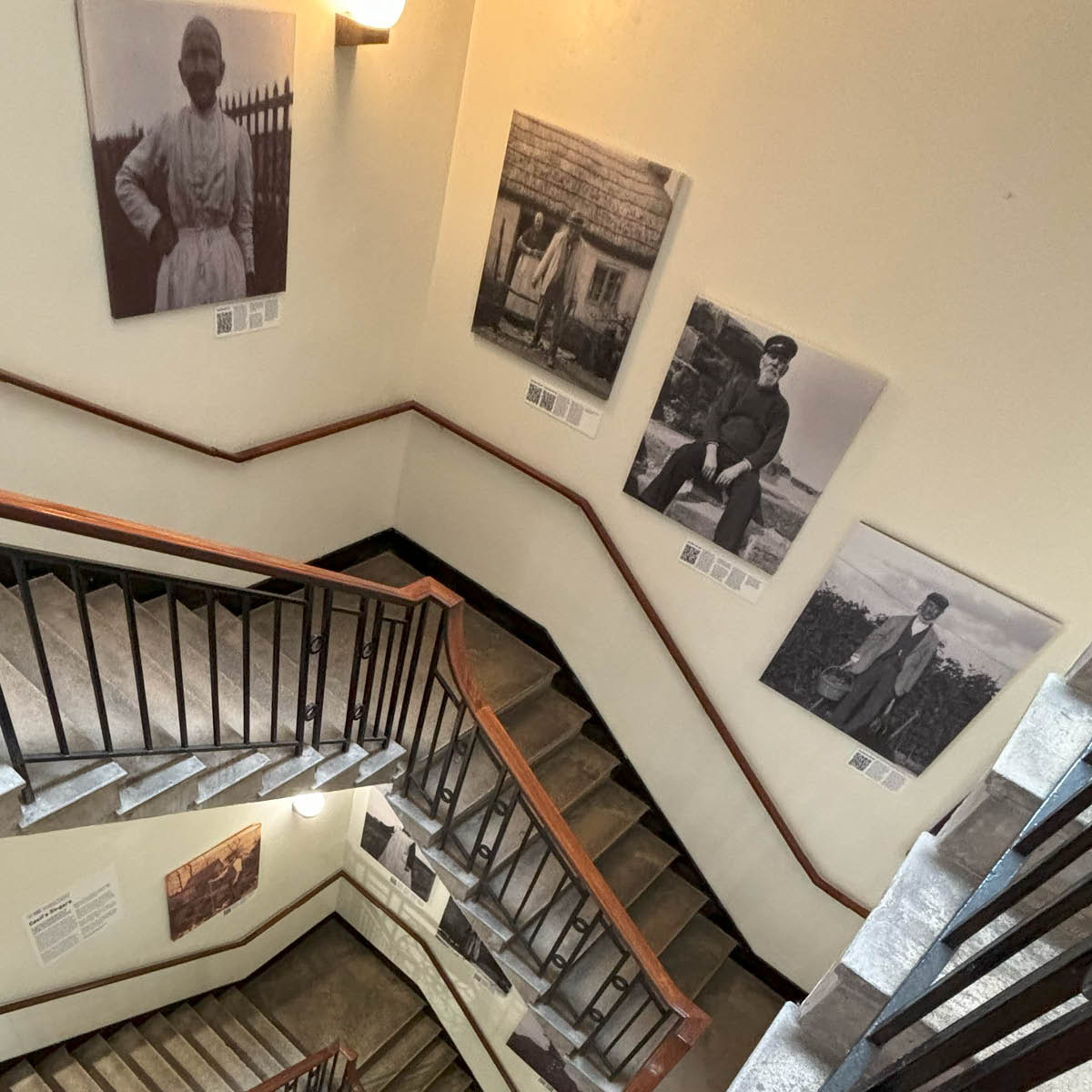 , Orientation:
Landscape
, Orientation:
Landscape - ImageTitle:
Eli Bollen (1827–1912), ImageText:
Sharp met Eli Bollen in Ilchester, five miles north of Yeovil, on 1 August 1904, when he was 78. Bollen was born in Ashington in 1826, the eldest of seven children of Charles Bollen, a butcher, and his wife Hannah.
At the time of the 1851 census he was married to Mary, a glover. Eli was listed as a road labourer. They had four children but Mary died in September 1860 and Eli would stay in the same house for the next 30 years and raise his children there. He never remarried.
By 1901 he had moved into the Almshouses in the town, which is where Sharp found him, and collected from him three songs: ‘Umbrella Courtship’, ‘Forty Long Miles’, and ‘The Rover’. Eli died in June 1912 in Yeovil.
From the archives: Forty Long Miles
, Hero Slider Images: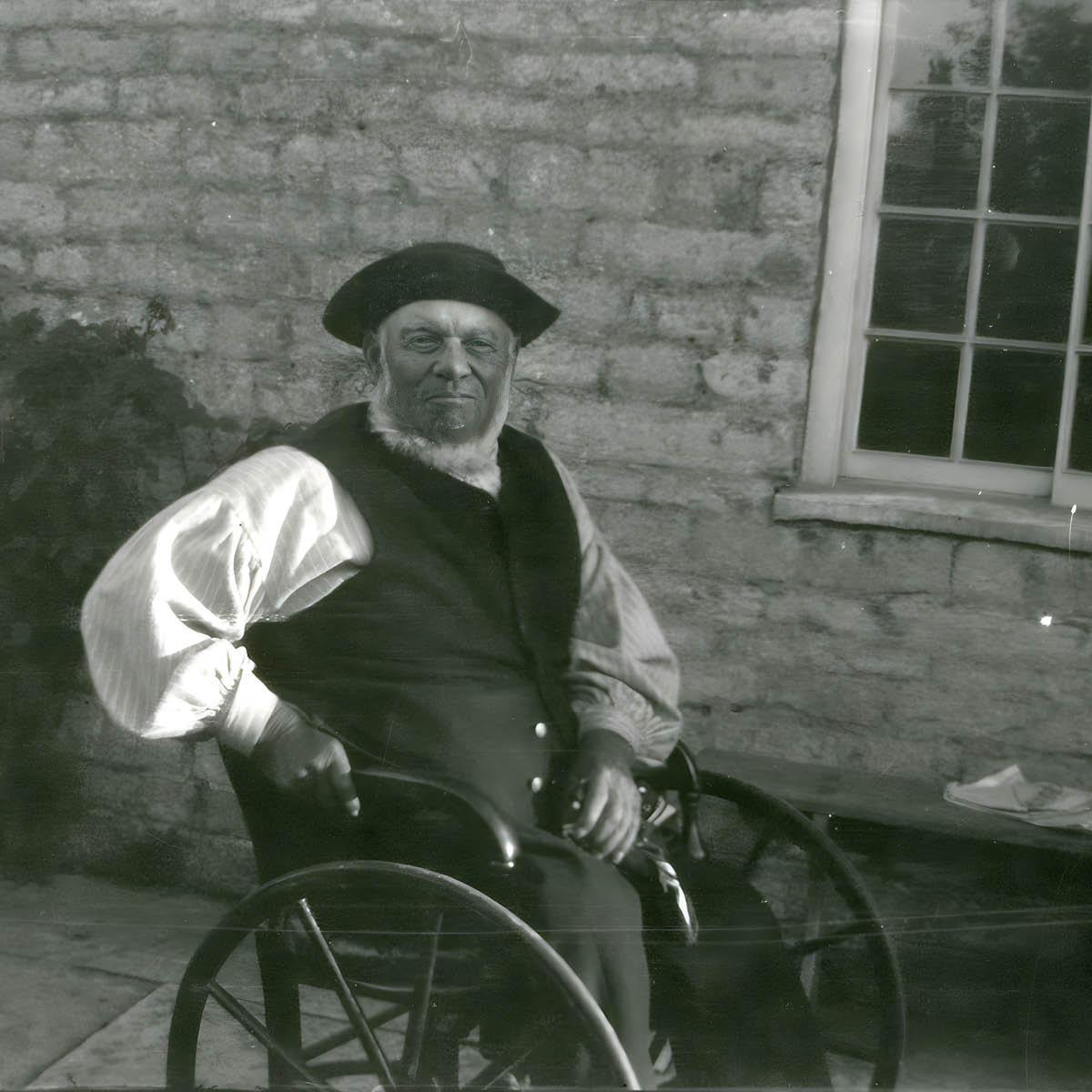 , Orientation:
Landscape
, Orientation:
Landscape - ImageTitle:
Harry Richards (1840–1925), ImageText:
Richards was the fourth of six children of a labourer, John, and his wife Ann, and was baptised in Curry Rivel church in March 1840. His mother died when he was seventeen and he subsequently went out on his own as an agricultural labourer. He had nine children, two of whom died young, from his 1862 marriage to Ellen Dewdney. By 1881 he was a stone quarryman, still in Curry Rivel.
It was there that he met Cecil Sharp in July 1904 at the age of 64. He sang 17 songs, the first three of which, ‘The Trees They Do Grow High’, ‘Erin’s Lovely Home’ and ‘Just as the Tide was A-Flowing’, made it into Sharp’s Folk Songs from Somerset series. He was tall with a deep bass voice and was apparently a religious and strict father. Ellen died in 1913 but Harry lived on until 1925, aged 85.
From the archives: The Trees They Do Grow High
, Hero Slider Images: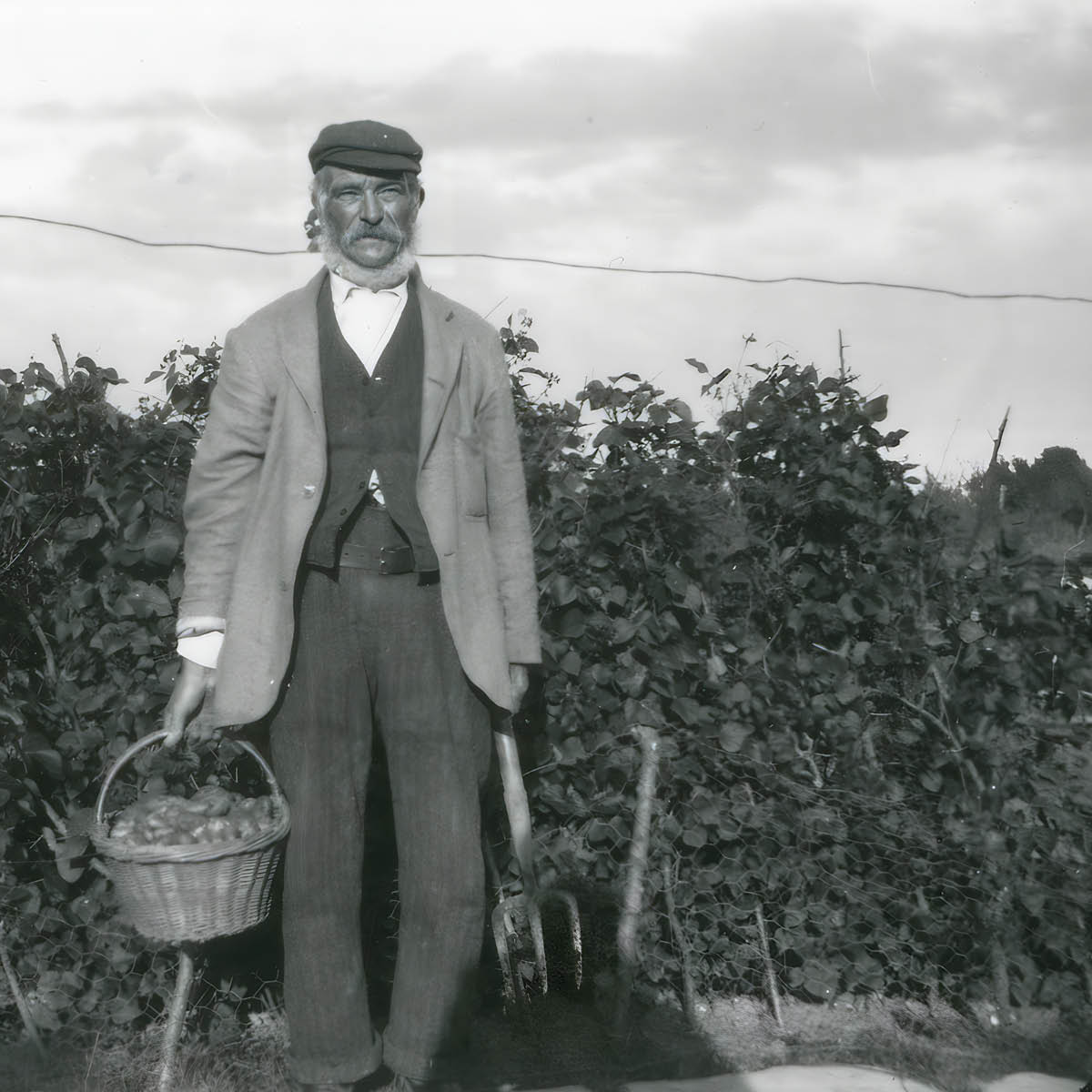 , Orientation:
Landscape
, Orientation:
Landscape - ImageTitle:
Emma Glover (1854–1929), ImageText:
Emma Glover was a Romani, reputed to have arrived in Huish Episcopi from Long Load and living in a caravan. She and her husband, a stonemason, lived between the two villages but by the census of 1901 she was a 47 year old widow living in Huish Episcopi with five children. Two were of working age: William, a gardener, and Herbert, a foundry labourer.
Sharp may have been introduced to her by Rev. Stubbs, the vicar of Huish Episcopi from 1882, who baptised three of her children. He took down 30 songs from her, starting in August 1904 when she was 50, and returned seven times after the initial meeting. She died in June 1929.
From the archives: Cornish Young Man
, Hero Slider Images: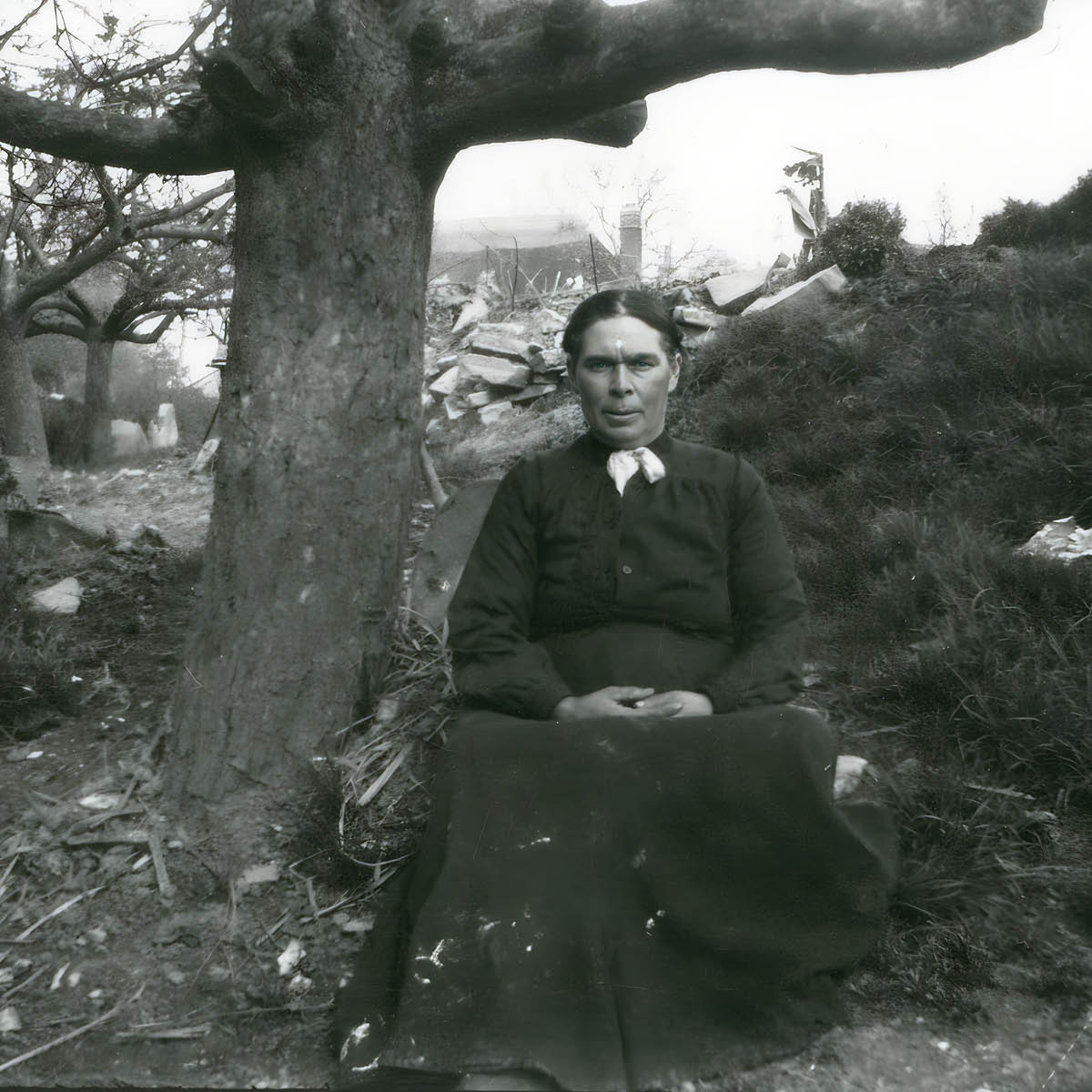 , Orientation:
Landscape
, Orientation:
Landscape - ImageTitle:
Elizabeth Lock (1840–1915), ImageText:
Sharp was introduced to Elizabeth Lock in Muchelney by a local farmer’s wife whose brother, a doctor at Guy’s Hospital, had met Sharp and put them in touch. Elizabeth was a glover, the daughter of a shoemaker, Robert Hodder, and his wife Jemima. She was a spinster of 39 when she married George Locke, a farmer, and was unable to sign her name in the register. They did not have children and devoted their time to caring for George’s elderly mother. George died in 1910; Elizabeth survived him by five years, dying aged 76. She left £303.
Two of her songs, ‘High Germany’ and ‘Hares on the Mountains’, were published in Folk Songs from Somerset Vol.1. They both subsequently appeared in Folk Songs for Schools in 1906.
From the archives: Billy Barlow
, Hero Slider Images: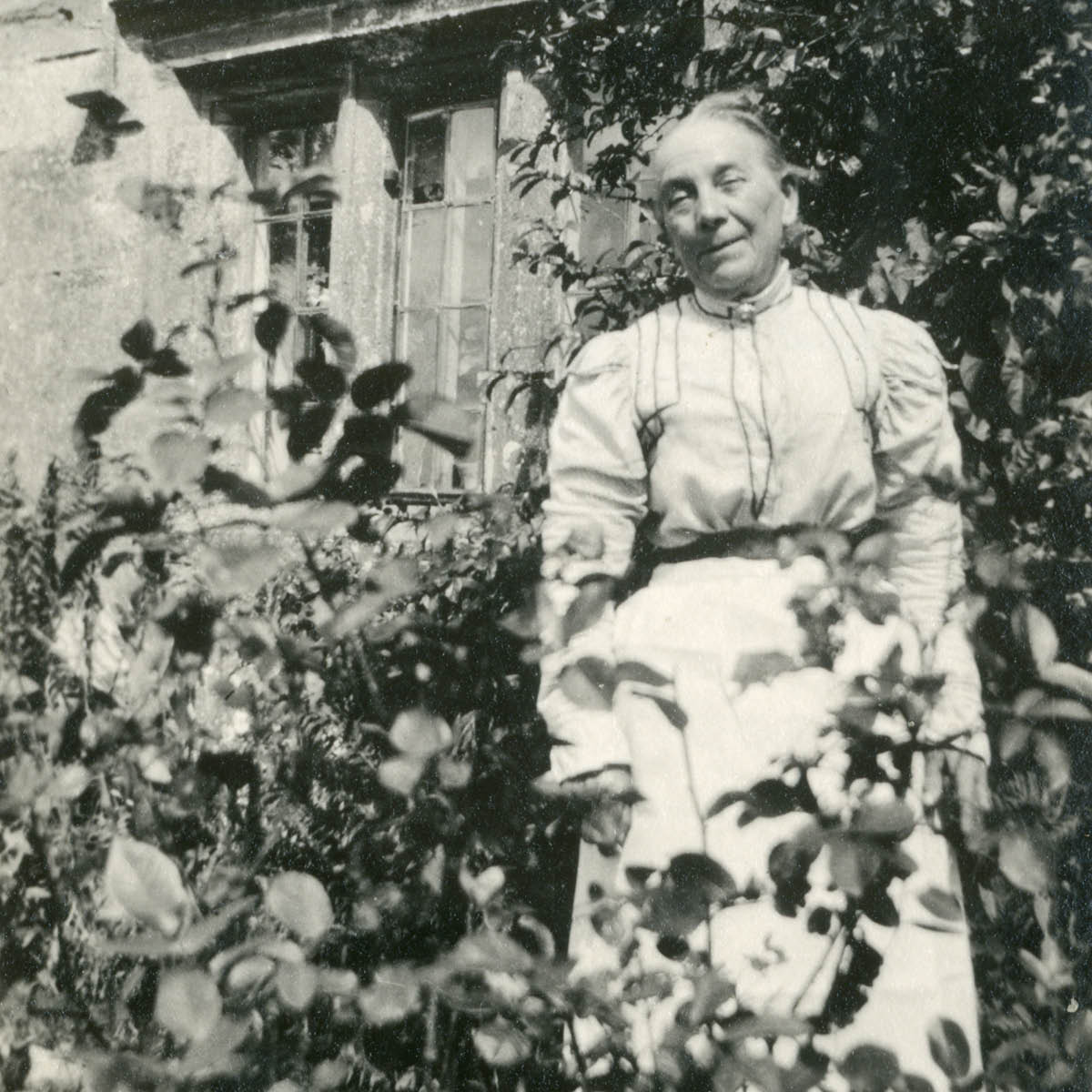 , Orientation:
Landscape
, Orientation:
Landscape - ImageTitle:
Susan Williams (1832–1915), ImageText:
Susan Williams, of Haselbury Plucknett near Yeovil, was 73 when Sharp heard her sing in 1905. She would give him 22 songs over five visits. In the Musical Times of 1 January 1907 Sharp described Susan as ‘one of the most delightful singers and pleasant companions it has been my good fortune to meet... I cannot reproduce the charm of her voice — sweet and pure as the note of the woodland thrush’. He published two of her songs in Folk Songs from Somerset Vol.3, ‘Farewell Nancy’ and ‘The Keys of Heaven’, the latter in tandem with the singer Harriet Young.
Susan was the daughter of a shoemaker, and married John Williams, an agricultural labourer with whom she had six children. In all the censuses from 1871 to 1901 Susan was listed as a ‘web weaver’. Flax and hemp grown locally had been processed in factories in Crewkerne and West Coker to produce sailcloth and ropes for naval ships. In the 1911 census she made a mark rather than sign her name, so she was probably illiterate. Susan lost her husband in February 1886 and was thus widowed for nearly 30 years. She died in March 1915 aged 83.
From the archives: Keys of Heaven
, Hero Slider Images: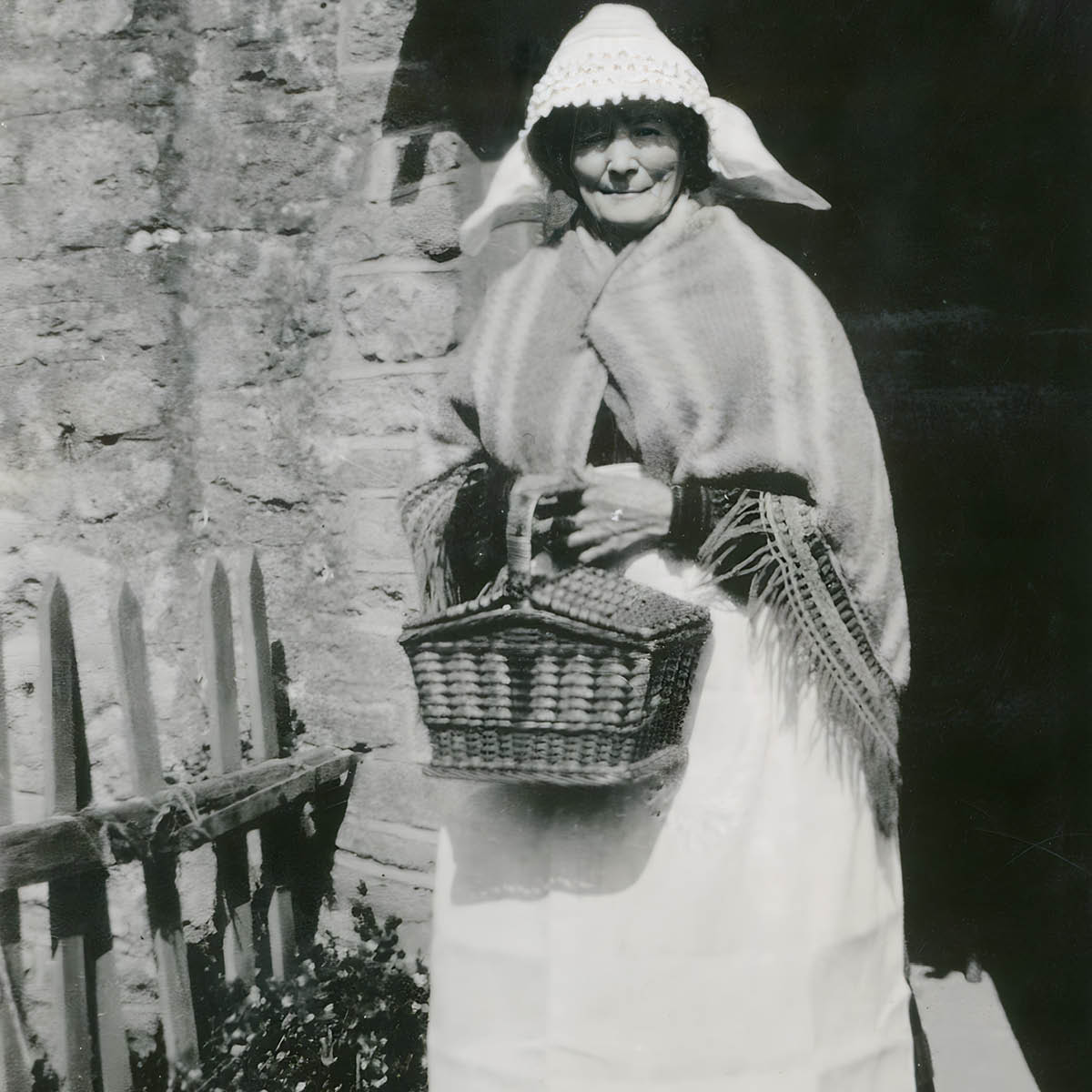 , Orientation:
Landscape
, Orientation:
Landscape - ImageTitle:
William Nott (1830–1907), ImageText:
William Nott sang 31 songs to Cecil Sharp in Meshaw, North Devon, over six visits from 8 January 1904 to 6 January 1905. At the start
of this process he was aged 74. Nott was born in c.1830, the son of a farmer. He became a farmer himself, and by 1881 had 160 acres
of land next door to Meshaw Rectory, where Sharp used to stay with Rev. Alex de Gex.Nott was clearly an accomplished singer: Sharp went to check one of Nott’s songs (‘Jan to Joan’ FT99 and FT439*), and wrote that the
song was ‘tested on the piano by de Gex and self while Nott sang the song twice through, during the whole of which he never lost pitch’.William died on 19 January 1907 and his wife Mary Ann died within weeks of him. In his will, William Nott of Parsonage Farm, Meshaw left £2,760 (equivalent to £334K today) to son William Jr (one of five children). Rev. de Gex was also a benefactor.
From the archives: The Dandy Man
, Hero Slider Images: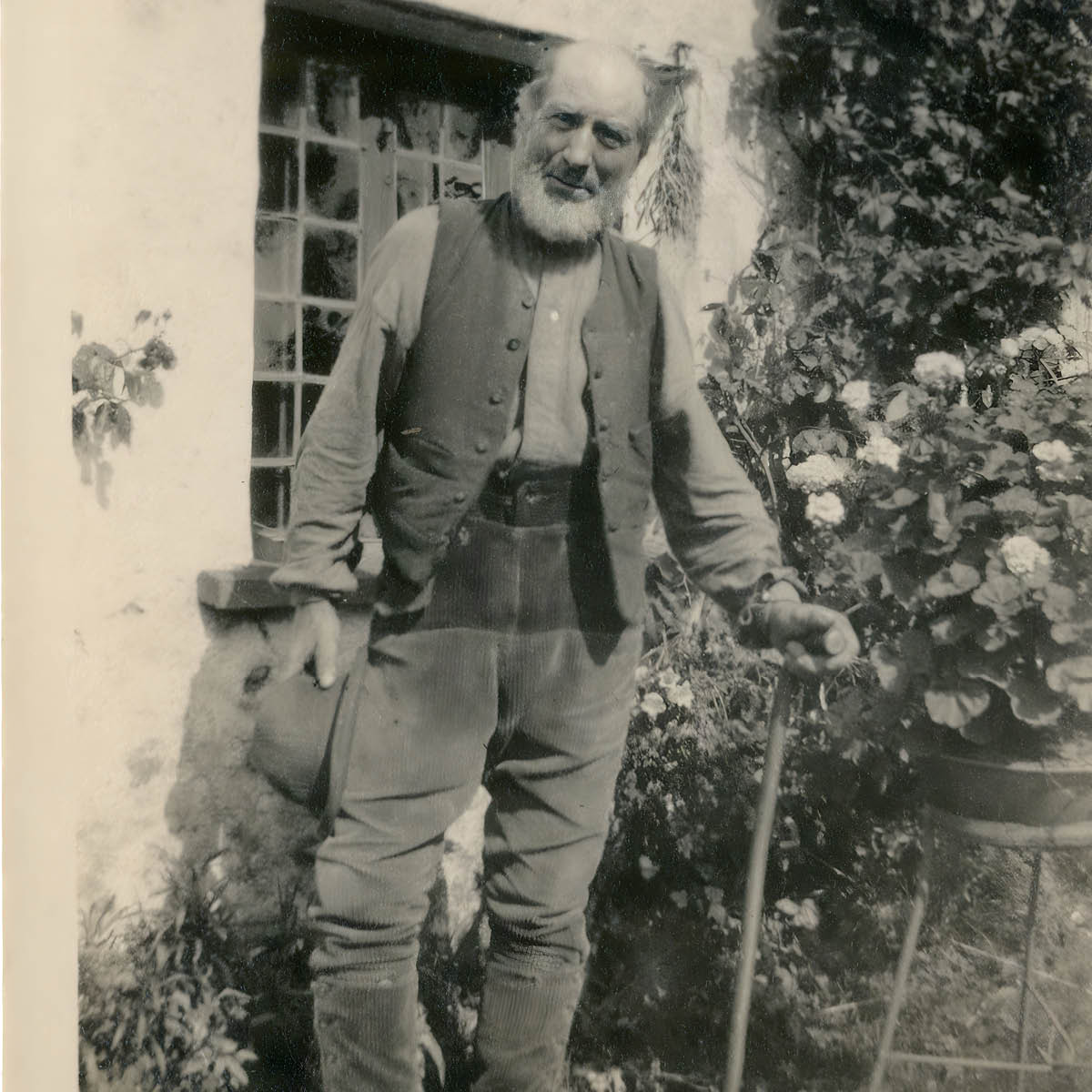 , Orientation:
Landscape
, Orientation:
Landscape - ImageTitle:
Betsy Pike (1833–1917), ImageText:
Betsy Pike, nee Culliford, lived in Somerton when Sharp met her for the first time aged 74 in 1906. She sang nine songs over three visits, and Sharp received a further seventeen through her daughter Ellen (Snow) and her granddaughter Alice (Snow). Two of her songs, ‘A Farmer’s Son so Sweet’ and ‘Bold Fisherman’, were selected for Sharp’s Folk Songs from Somerset Vol 3. In his field notebook Sharp wrote that Betsy Pike had said she was ‘a teetotaller but I drink cider, for cider don’t count’.
Betsy was the daughter of an agricultural labourer, and the 1851 census listed her as a glover. She gave birth to an illegitimate daughter, Ellen, in 1856, and had a further three children from her marriage to widower James Pike in 1863. By 1881 Betsy had been widowed and was a charwoman with three teenage daughters working in a local factory. By 1901 she was working as a laundress, and living with Florence Pike, the daughter of her stepson William. After Florence’s marriage in 1910 she lived alone until her death in 1917 at the age of 78.
From the archives: Lord Rendal
, Hero Slider Images: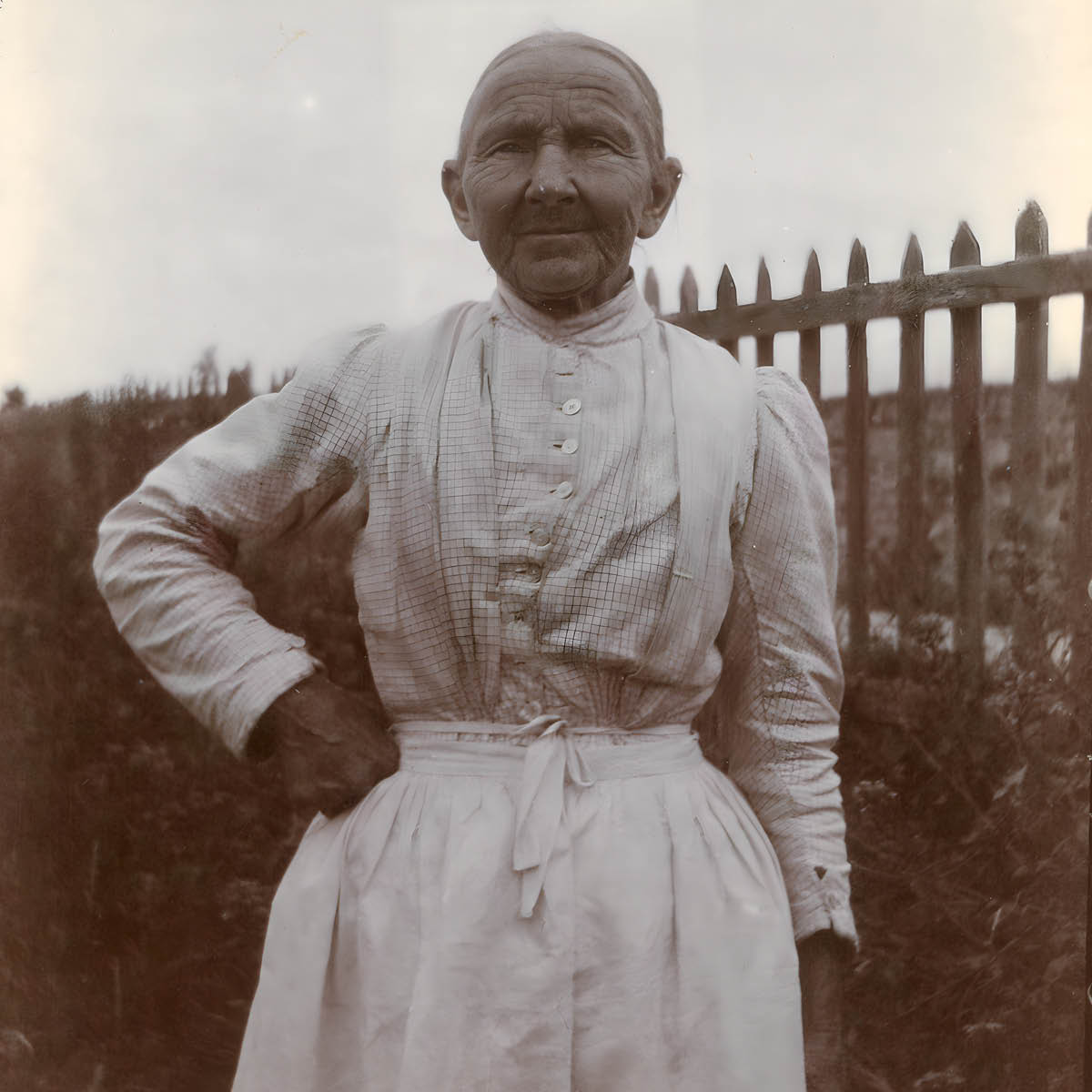 , Orientation:
Landscape
, Orientation:
Landscape - ImageTitle:
Lily Porter (1895–1969?), ImageText:
Lily Porter of Bridgwater was 11 when she first met Sharp. She provided him with 12 singing games across 1906–7. The first two, ‘Jenny Lengle’ and ‘Three Dukes Came a Riding’, came three days after Sharp’s first experience of the genre with Alice Snow in Somerton, and were the first examples of singing games he actually credited to children. Sharp sought out many more examples in Somerset, noting that the country was poorly represented in Alice Bertha Gomme’s Traditional Games of England, Scotland and Ireland of 1894 and 1898, and then co-published with her sets of singing games for the Novello School Songs series of 1909–1912. Lily was thus an important inspiration for Sharp.
Lily was the sixth child of Elizabeth, another singer, who gave Sharp ‘The False Bride’ several days later. Her father, Walter, was a bricklayer. She was the immediate neighbour of Jack Barnard, one of the most prolific singers Sharp collected from, and who may have recommended her to him. Lily married Albert Came, a master mariner on Christmas Day 1913, and probably died in June 1969 at the age of 74.
From the archives: Three Dukes Came a Riding
, Hero Slider Images: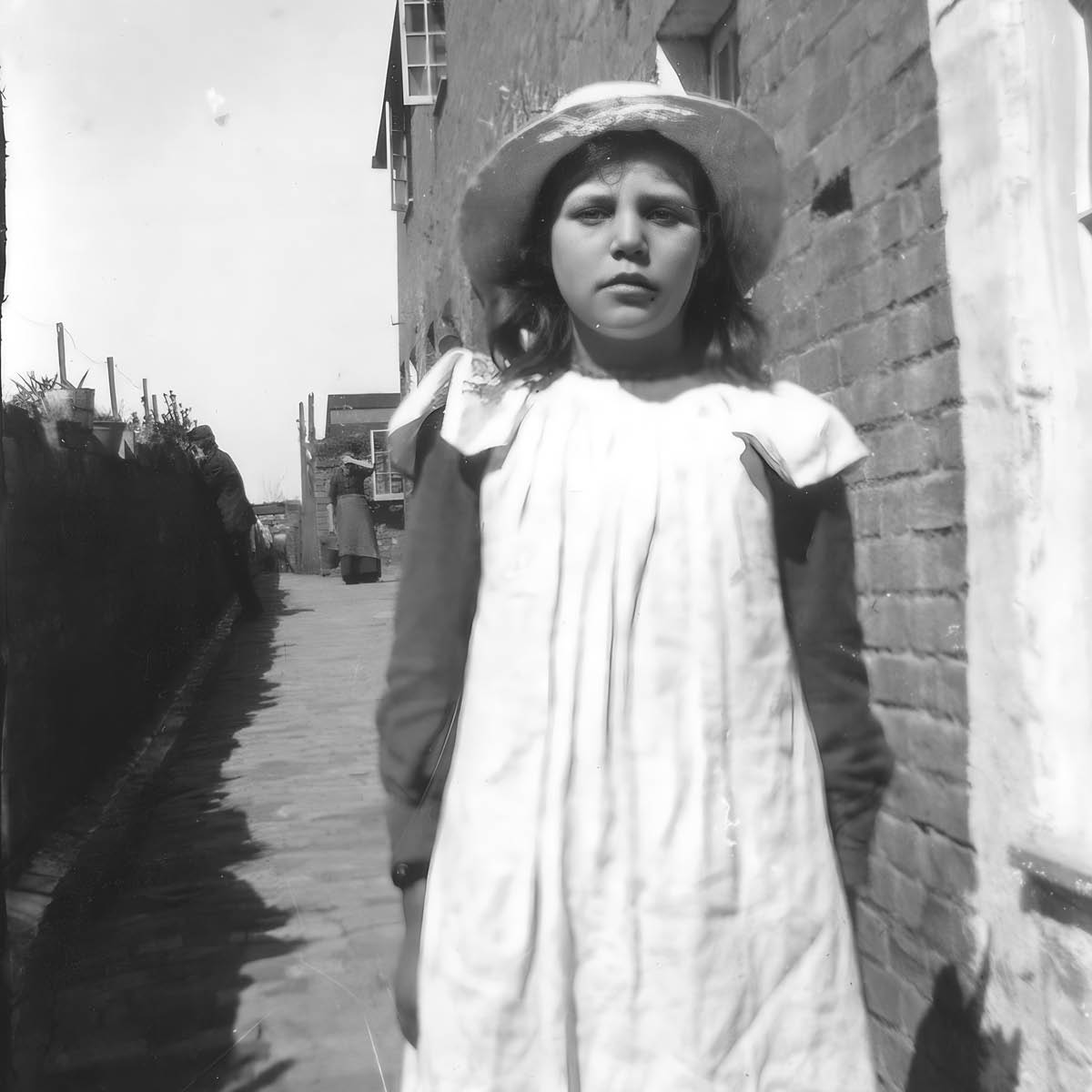 , Orientation:
Landscape
, Orientation:
Landscape - ImageTitle:
Lizzie Welch (1868–1952?), ImageText:
Sharp met Mrs Lizzie Welch of Westport, Somerset, when she was 36 in April 1904. She went on to give him 15 songs over four visits. Elizabeth Woodland was the youngest child of six born to Samuel and Mary Ann Woodland in Puckington. In the 1881 census she
was aged 14 and listed as a collar worker like her older sisters Mary Jane (19) and Rosa (17). Mary Jane would also go on to sing for Sharp
as Mary Jane Ree. At the age of 18 she emigrated to Australia with her new husband, William Walter Barratt, who must have died a few years thereafter.By 1891 she was back in Westport as a widow with two sons of four and two. A year later she married for the second time, to widower and farm labourer George Welch. They had four children together, which, along with their existing children (she had two and George three) must have made for a crowded household. The small child in Sharp’s photo of her is probably Ernest Mark (baptised 1901).
From the archives: The Dark Eyed Sailor
, Hero Slider Images: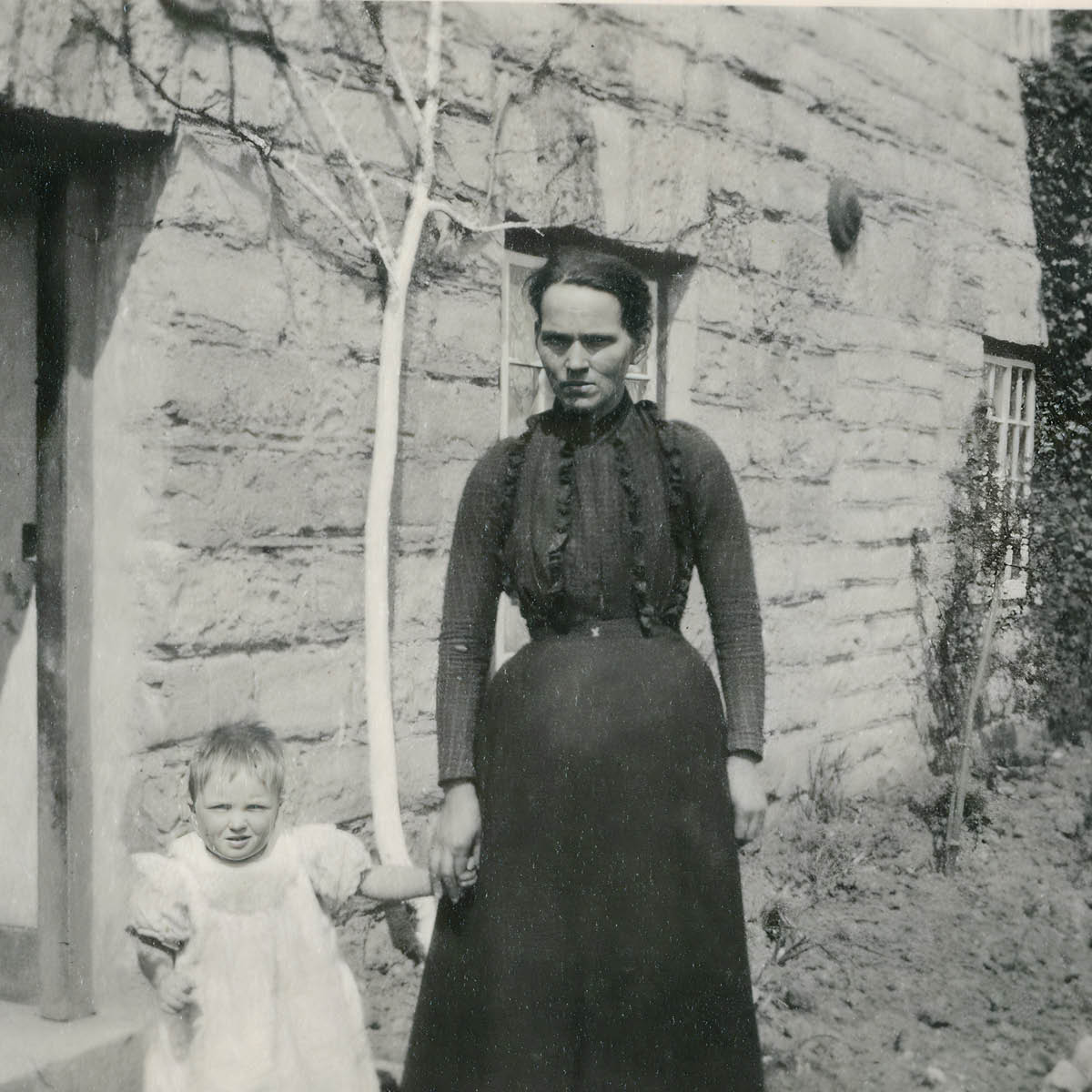 , Orientation:
Landscape
, Orientation:
Landscape - ImageTitle:
Lucy White (1849–1923), ImageText:
Lucy White, from Westport, was 54 when she first met Sharp. She would sing him 46 solo songs, along with 19 with her half-sister Louie Hooper. Both singers gave credit to their mother Sarah for teaching them songs and this probably happened during the long hours of gloving that earned women a vital income in mid-19th century South Somerset villages.
Lucy was the illegitimate daughter of agricultural labourer John Bridge, who was not identified at her baptism. When Lucy was six, Sarah married widower William England, who brought two small children of his own to the family. They went on to have four children together, one of whom was Louisa, who became Louie Hooper. Lucy had three children out of wedlock, one of whom died in infancy, before marrying engine driver Jonathan White in 1875, with whom she had a further seven children. She died in 1923 at the age of 74.
From the archives: The Rambling Sailor
, Hero Slider Images: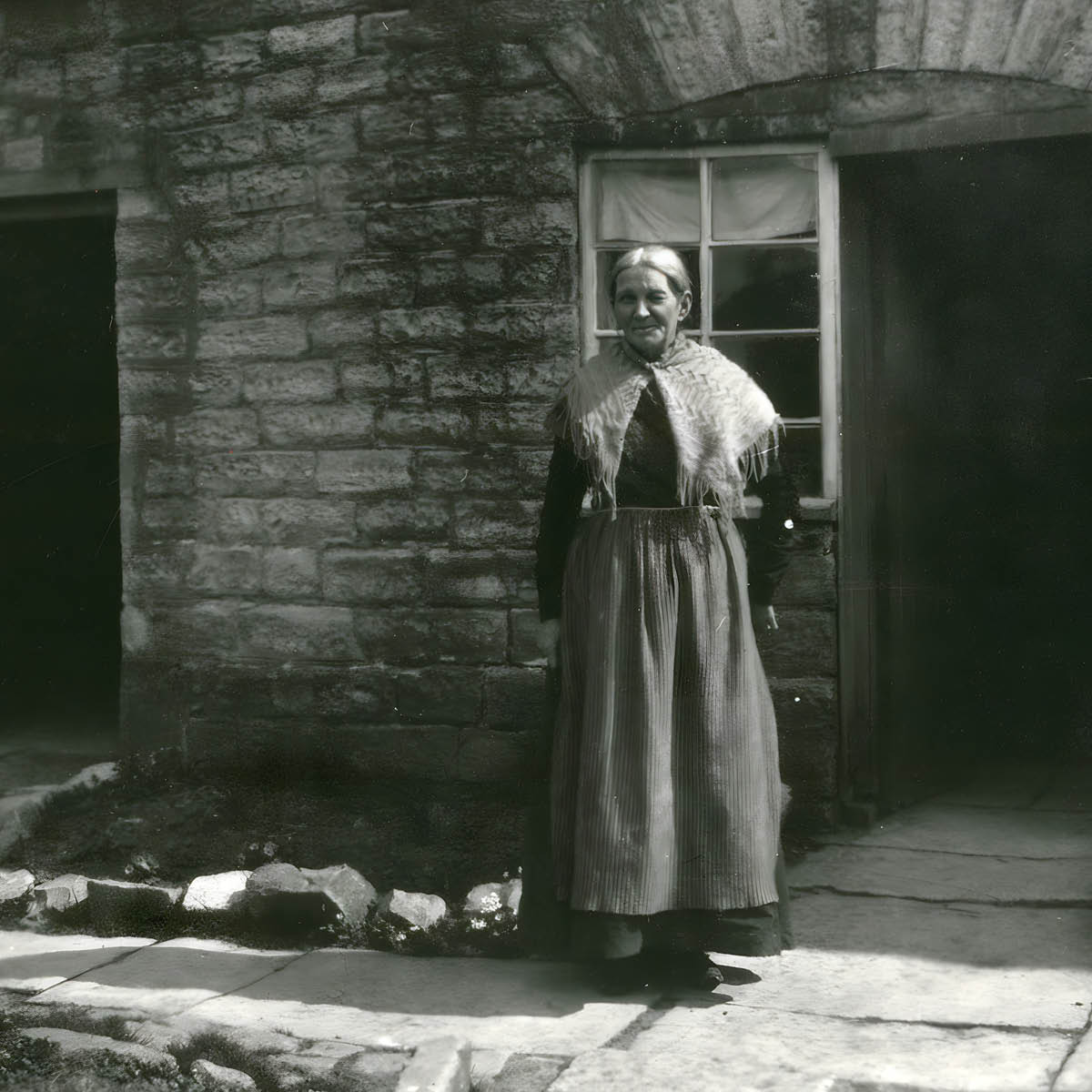 , Orientation:
Landscape
, Orientation:
Landscape - ImageTitle:
Jim Proll (1833–1910), ImageText:
‘James Prole’ (or Proll) was baptised in June 1833 in Huntspill, the third son of Henry, an agricultural labourer, and his wife Sarah. According to the censuses of 1861 and 1871 he was a miner, who had likely moved to Coombe Cross for the new work offered by iron ore mining in Raleigh’s Cross, three miles away. By 1881 however, he had switched to agricultural work, presumably due to the closure of the mine by the Ebbw Vale Iron Ore company in 1879. He was married to Sarah, née Lyddon, who had borne him eleven children. In 1901 he was still living in Coombe Cross with his wife and their grandchild Ellen. Sarah was admitted to Cotford Asylum at some point thereafter and died there early in 1907, five months before Sharp met Jim in September 1906.
Jim was 75, and gave Sharp seven songs, including ‘Sweet Lovely Joan’, which was published in Folk Songs from Somerset Vol. 4 in 1908.
From the archives: Sweet Lovely Joan
, Hero Slider Images: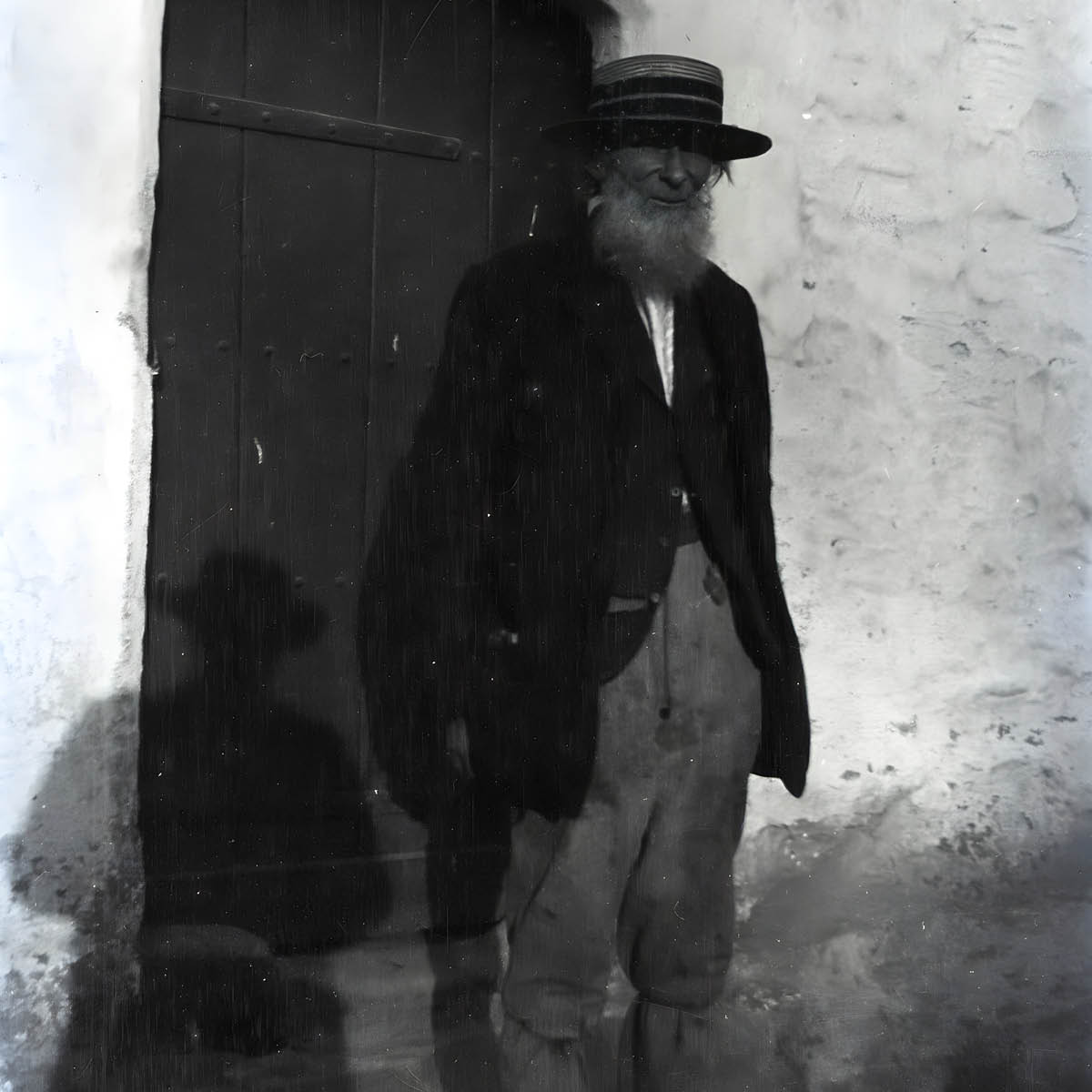 , Orientation:
Landscape
, Orientation:
Landscape - ImageTitle:
Oliver Shuttler (1837–1916), ImageText:
Oliver Shuttler [Shutler] lived a troubled life. He was the only child of a modest farmer, John, and his wife Ann who died when Oliver was 12. Four years later Oliver was sentenced to six months in Wilton Gaol for cattle stealing. Aged 22 he married a widow twelve years older than him, Mary Ann Hollard. She had no children from her earlier marriage, and she and Oliver would have no children either. He was appointed a local constable in 1870, but in 1871 was sentenced to six weeks’ hard labour for violent assault. He was also fined at least three times for poaching-related or gun offences in 1876. Despite his brushes with the law, he was elected a parish councillor in 1894, and was re-elected annually until 1898 when he stood down.
His wife died in 1903 at the age of 80. At this point, Oliver was forced to sell his house and lived rough, often near to starving. He spent the winter in Langport Union workhouse and did stone breaking in the summer. Oliver died in 1916, having fallen from the hayloft at Cook’s Farm, where he was living. He was 78.
He is remembered for the two songs he gave Cecil Sharp, ‘Lord Bateman’, and ‘The True Lover’s Farewell’.
From the archives: Lord Bateman
, Hero Slider Images: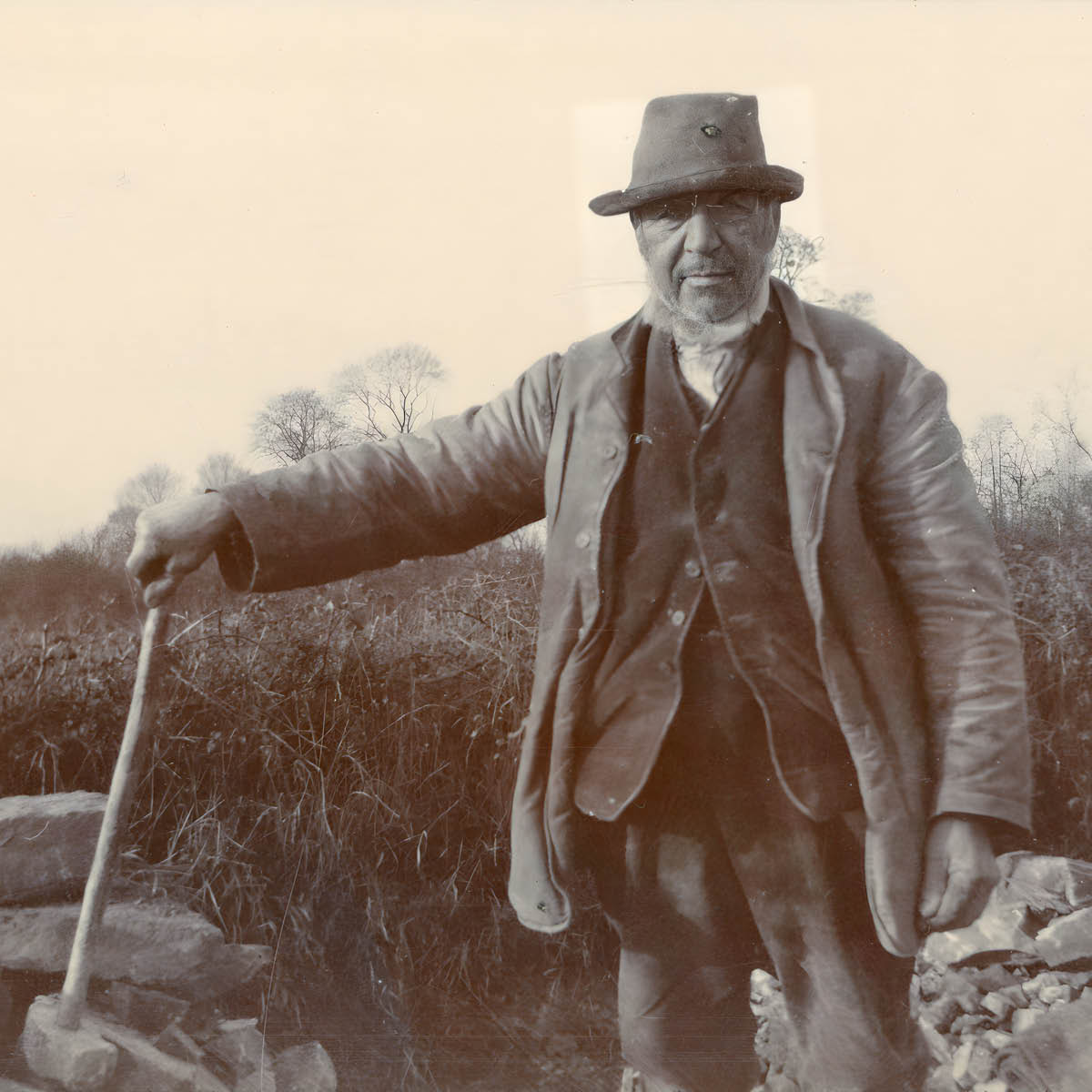 , Orientation:
Landscape
, Orientation:
Landscape - ImageTitle:
John England (1865?–1940), ImageText:
John Henry England was the singer of the first folk song ever collected by Cecil Sharp, ‘The Seeds of Love’, on 22 August 1903. At the time, Sharp was staying with his long-time friend Rev. Charles Marson at Hambridge vicarage in Somerset, and John was his gardener. He was mowing the lawn with a horse-drawn mower as he sang.
John was the only child of a father who died young and his wife Mary Ann. By 1881 she was a buttonholer, while 16 year old John had become an agricultural labourer. John married Rose Morris, the daughter of the sexton of Barrington, in 1886 and by 1891 he was a ‘gardener’ with two sons, who were followed by a further son and a daughter by 1901.
He and Rose lived in the house behind the church, and John became sexton of the parish. The family emigrated to Saskatchewan, Canada, in 1911, where John died in 1940 and Rose in 1957.
From the archives: The Seeds of Love
, Hero Slider Images: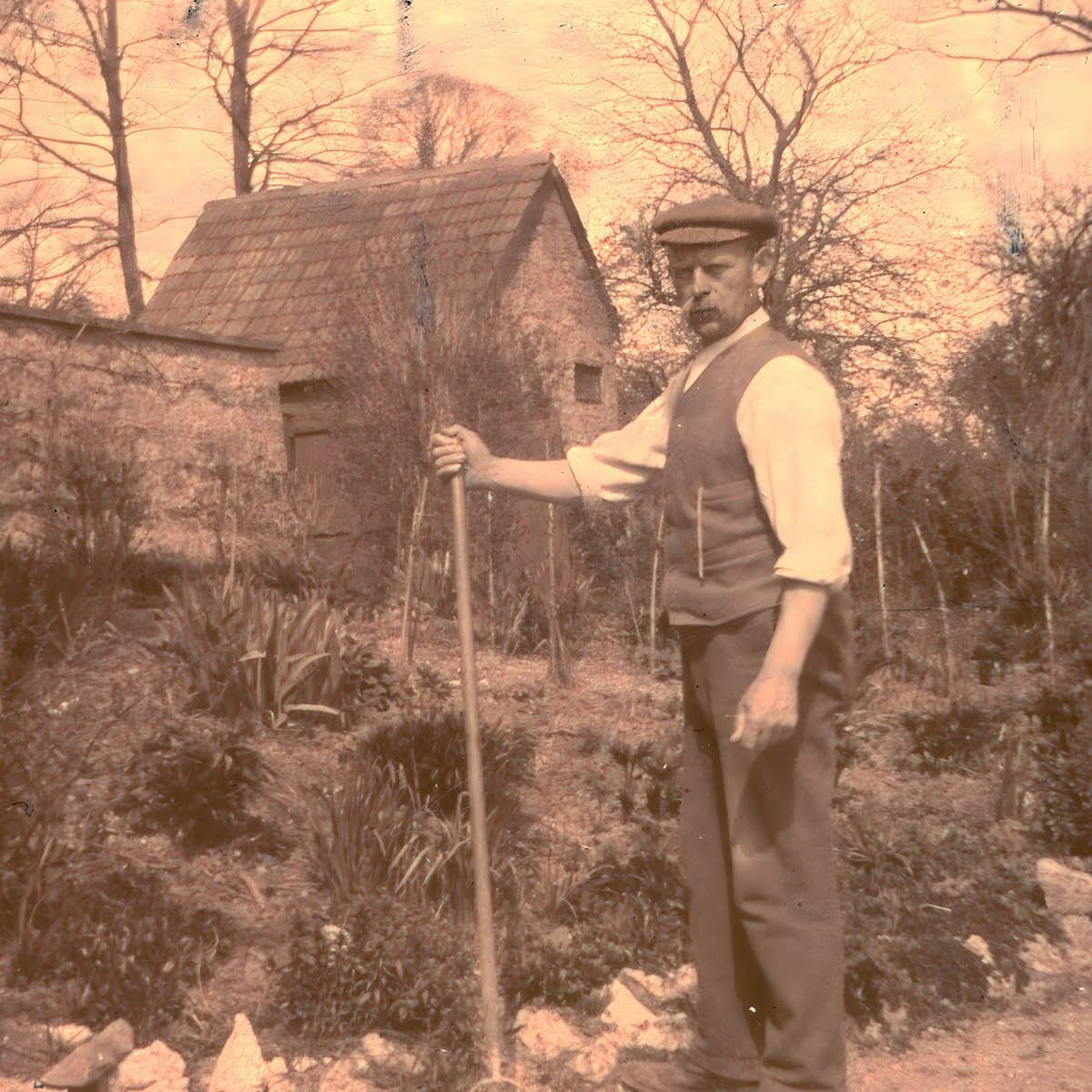 , Orientation:
Landscape
, Orientation:
Landscape - ImageTitle:
Shadrach Haden (c.1829–1916), ImageText:
Sharp encountered Haden [Hayden?], who was always known as ‘Shepherd’, in Bampton, Oxfordshire, in 1909 and returned to hear him sing several times, collecting from him 29 songs. His version of ‘John Barleycorn’ is very different from the other 15 collected by Sharp, and was the one to appear in the Penguin Book of English Folk Songs in 1959. Sharp had already published two other versions in Folk Songs from Somerset, but it is Haden’s which has become the ‘standard’.
We know little about Haden’s working life, but more about his family. He married Jane Neale in 1849, and they produced two children. Henry moved away but Alice remained close to home; indeed when her first husband died in 1880, she and her three infants moved in with her parents. She moved away upon remarrying in 1883, but her son Harry stayed on with Shadrach into adulthood, even after his marriage in 1898. By the time Sharp met him in 1909, he and Jane shared their home with four great grandchildren. The child in the photograph is probably one of them, Ivy, aged three. Jane died in 1910, and Shardrach in 1916, at the age of 91. He is buried in Bampton Churchyard.
From the archives: John Barleycorn
, Hero Slider Images: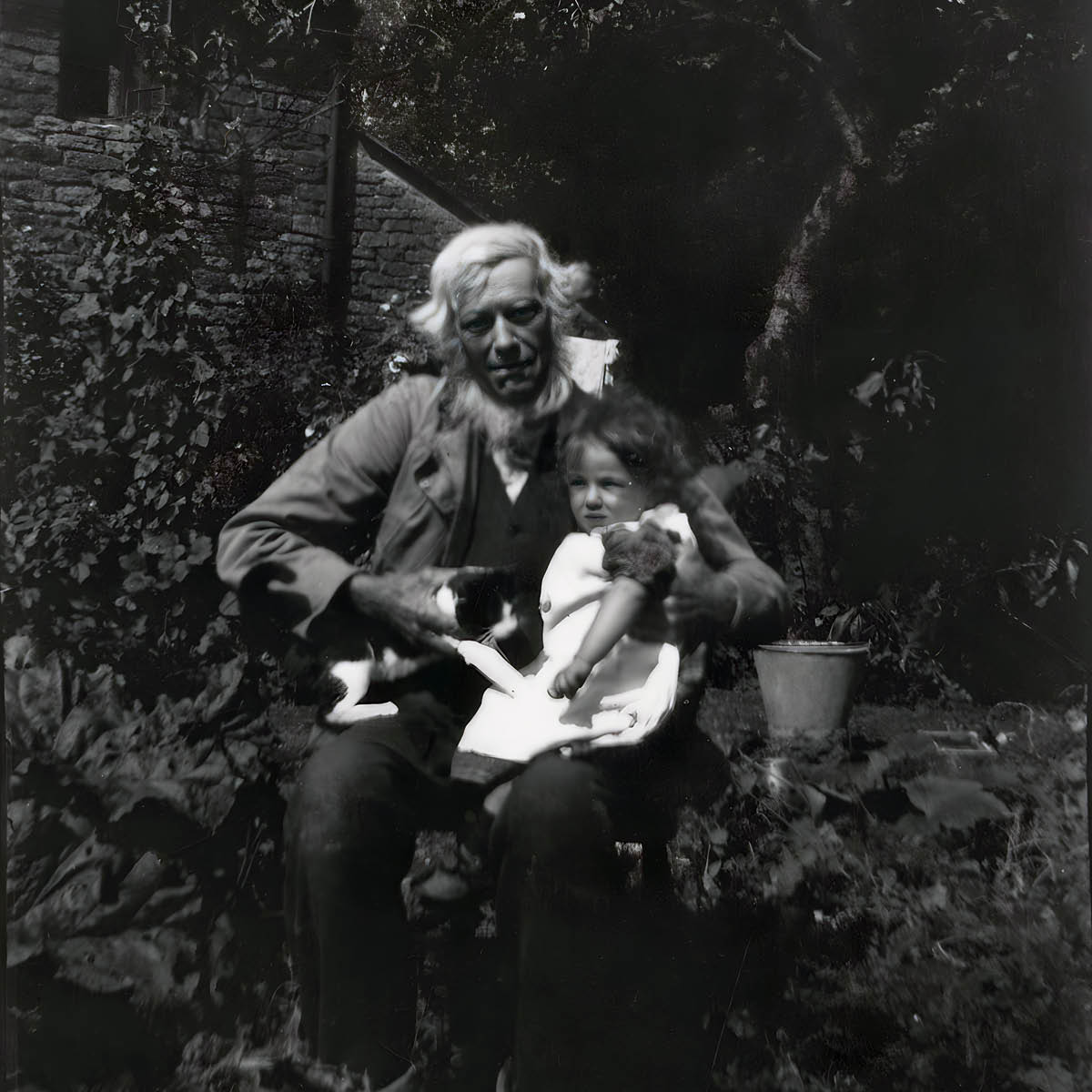 , Orientation:
Landscape
, Orientation:
Landscape - ImageTitle:
Betsy Holland (1880–1960), ImageText:
‘Talk of folk-singing! It was the finest and most characteristic bit of singing I had ever heard’. Thus declared Cecil Sharp in a letter to his wife, Constance, on hearing 26 year old Betsy Holland near Simonsbath, Somerset, in August 1907. She had sung ‘Execution Song’, or ‘James Macdonald’, which he would publish in Folk Songs from Somerset Vol. 4. He followed her into Devon four days later to note down three more.
Betsy Holland was one of eight children of Thomas, a ‘licensed hawker’. The family were Romani and moved around a great deal in the border country between Devon and Somerset. In 1881 and 1891 we find them in a caravan, first in Cannington and then in Raleigh Cross and the children were baptised in a range of different villages. By the time Sharp met Betsy, she was married to Maurice Isaacs and had given birth to the first of their five children. In the 1911 census they are listed as living ‘in a tent’ in Huish Champflower with their children, alongside her father and his whole family.
From the archives: Execution Song
, Hero Slider Images: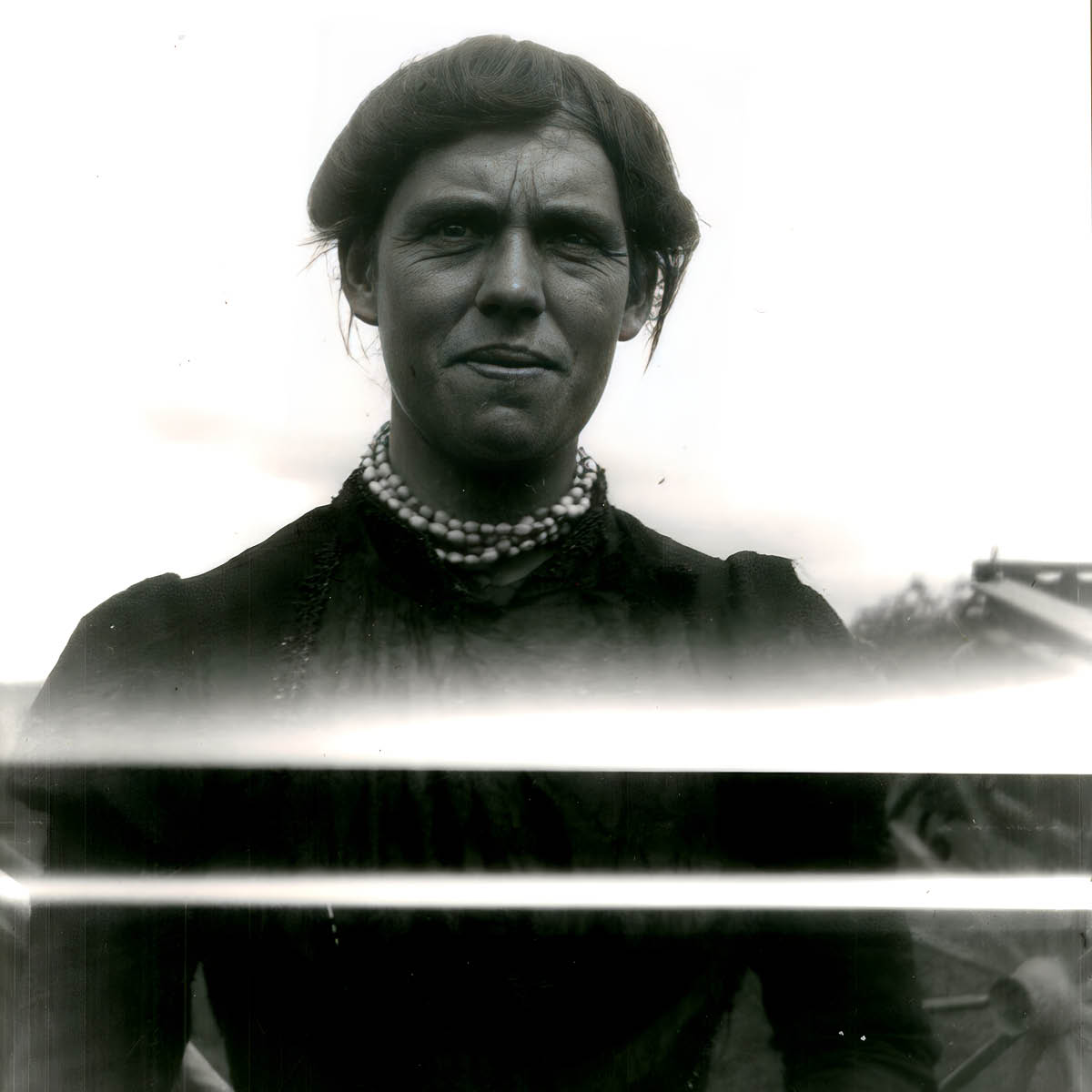 , Orientation:
Landscape
, Orientation:
Landscape - ImageTitle:
Emma Overd (1838–1928), ImageText:
Emma Overd was 65 when Sharp met her in Langport, Somerset, in 1904. He returned on ten occasions, collecting 46 songs from her, several of which he published in the Folk Songs from Somerset series. Emma was the fourth child of an agricultural worker. Her mother died when she was eight and she was subsequently raised by her paternal grandmother. She was able to sign her name, suggesting some rudimentary education. She married an agricultural worker, William Overd, at the age of 22, and they had nine children together, three of whom died young. In the 1891 census she was listed as a ‘willow-peeler’.
Fox Strangeways’ 1933 biography of Sharp states that he sought her out owing to her ‘great reputation as a singer’. He located her outside a pub, where she cried out ‘lor, girls, here’s my beau come at last’, shocking the vicar who was travelling with Sharp. Emma’s grandson Herbert was interviewed by David Bland in 1974, and stated that Emma ‘was known to go down every Friday to draw her OAP pension at the Post Office and then call in the Railway Hotel… if she had half a pint or a pint, she’d sing’.
From the archives: Wassail Song
, Hero Slider Images: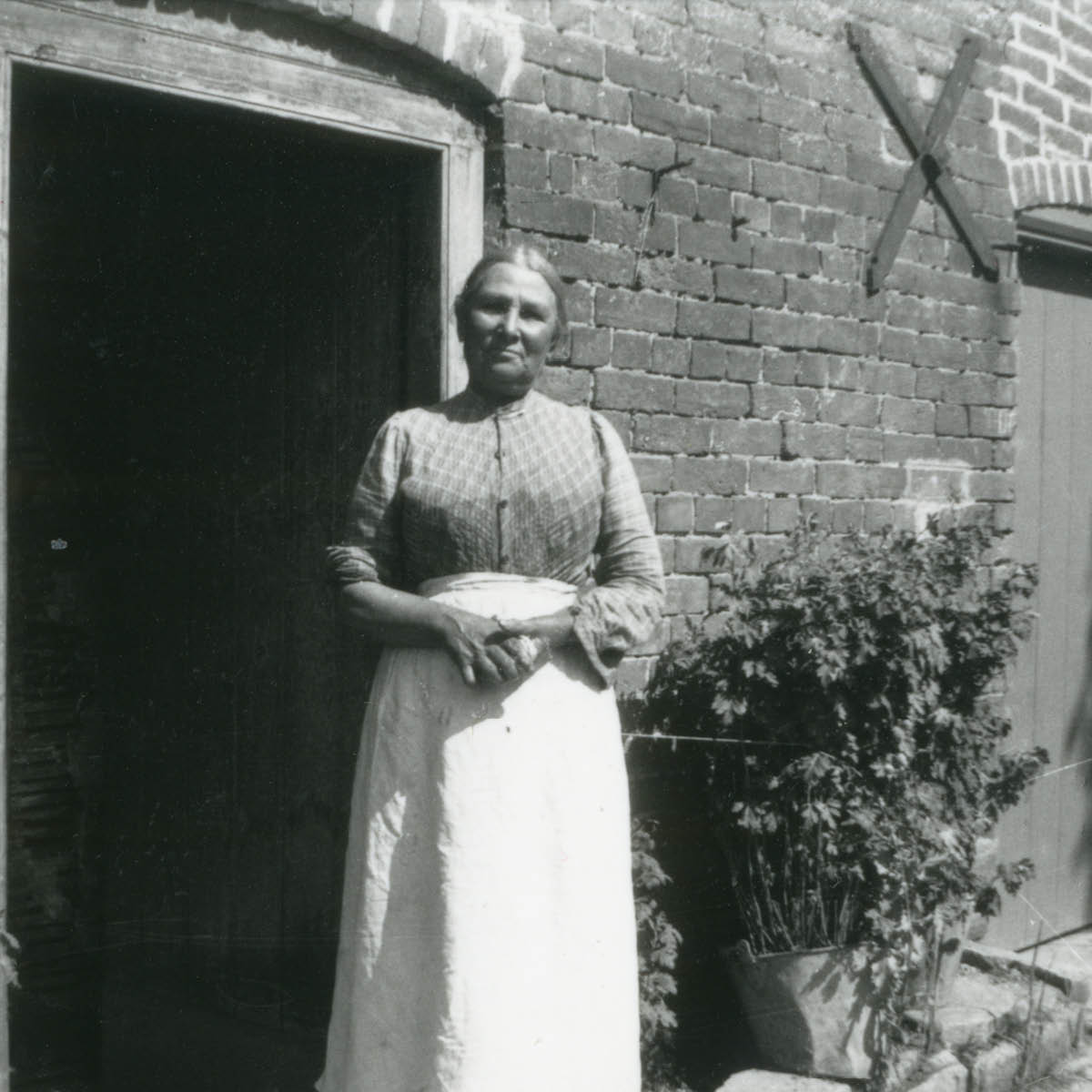 , Orientation:
Landscape
, Orientation:
Landscape - ImageTitle:
Eliza Woodberry (1829–1909), ImageText:
Eliza Woodberry sang nine songs to Cecil Sharp over five visits, the first of which came in August 1907 when she was 78. Eliza was born in Ash Priors, five miles northwest of Taunton, Somerset, the daughter of a farmer, William, and his wife Mary. She married agricultural labourer Isaac Woodberry in 1851 at the age of 21 and the couple remained in Ash Priors for their whole married life, raising nine children.
Eliza seems to have had some basic education, for she was able to write Sharp a letter in October 1907 to confirm three extra verses to the song ‘The Cruel Mother’ which she had sung to him on 31 August in an incomplete form. He published the song in Folk Songs from Somerset Vol. 4 in 1908 along with her song ‘Come all you Worthy Christian Men’. She died the following year at the age of 80, and was buried in Ash Priors, the village of her birth and where she lived her entire life.
From the archives: The Cruel Mother
, Hero Slider Images: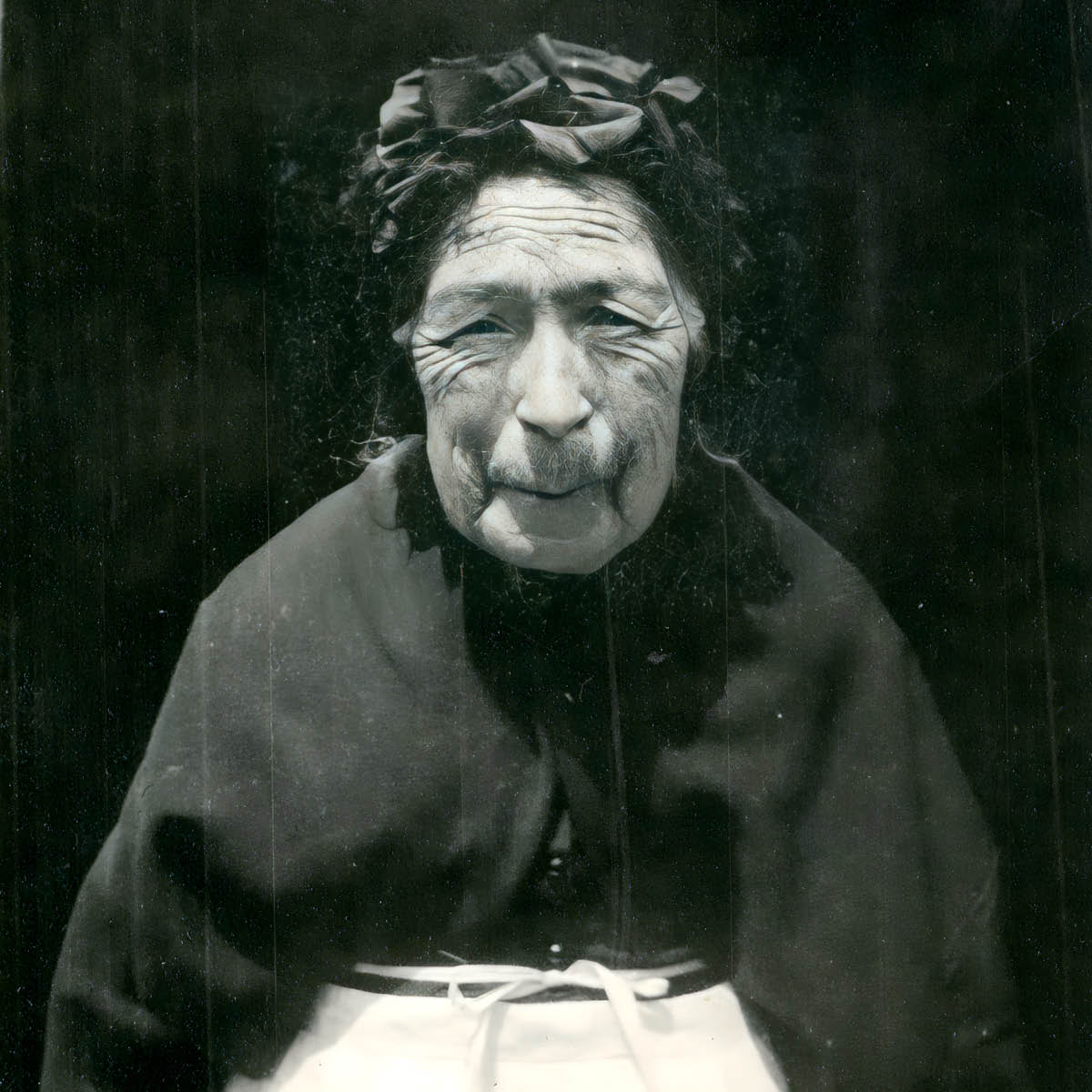 , Orientation:
Landscape
, Orientation:
Landscape - ImageTitle:
Lydia Wyatt (1828–1916) and George Wyatt (1822–1907), ImageText:
On the first of his visits to their house in West Harptree, in April 1904, Sharp collected from George Wyatt, but not his wife Lydia. When he returned in August, and subsequently in 1906, both sang to him. The Wyatts provided him with 13 songs in total, with two of George’s, ‘Rambling Sailor’ and ‘Blackbirds and Thrushes’ appearing in the Folk Songs from Somerset series.
Lydia and George were both the children of labourers, and married in 1849. In the censuses of 1851 and 1861, George was listed as an agricultural labourer. In 1871 both he and his two sons were ‘miners’ but had reverted to working the land ten years later. They had nine children together. When George died in 1907, he left Lydia alone in their two roomed house. She lived on parish relief of 2/6d and a loaf of bread, and died at Clutton Workhouse in 1916.
From the archives:
Holly and the Ivy (Lydia Wyatt) / Forty Long Miles (George Wyatt)
, Hero Slider Images: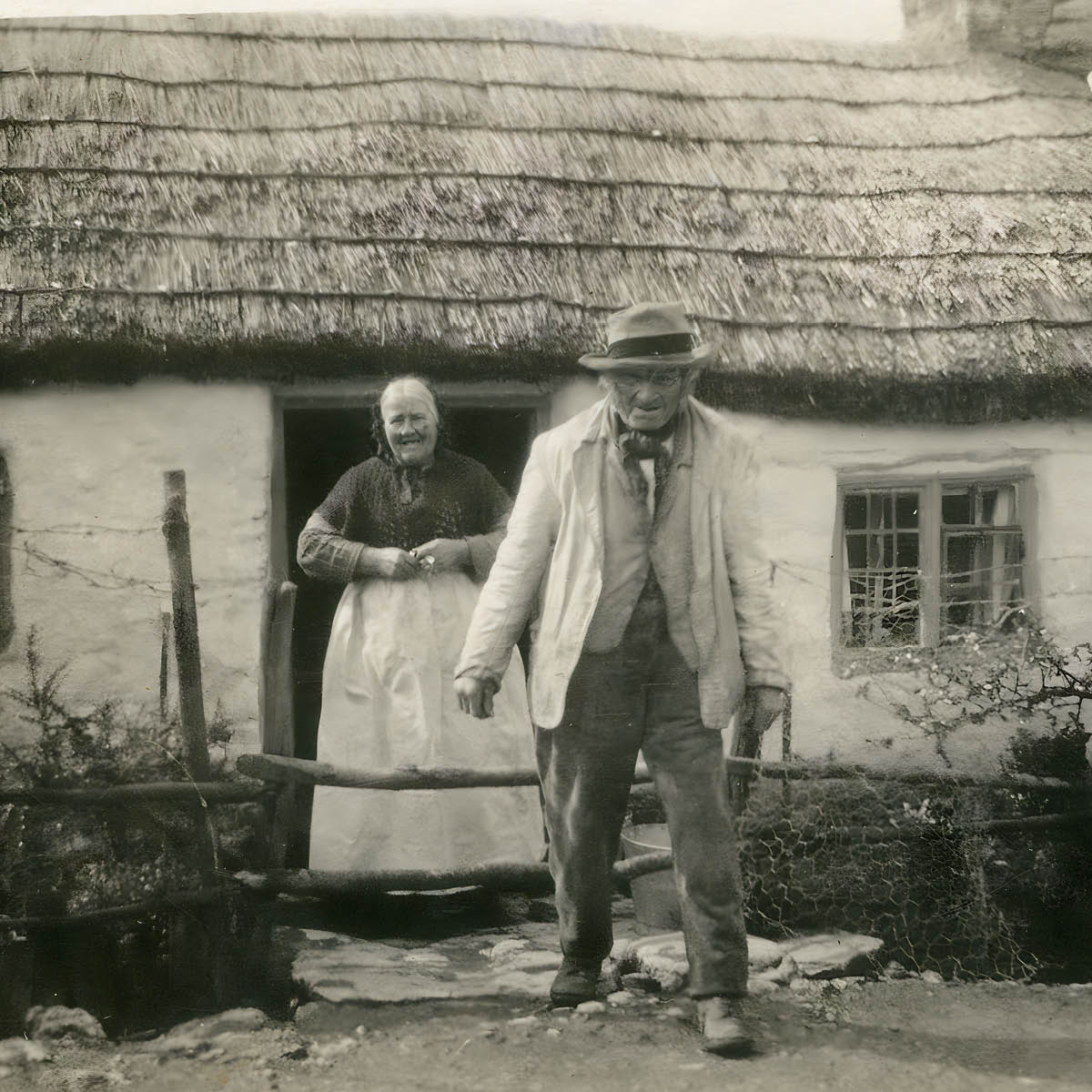 , Orientation:
Landscape
, Orientation:
Landscape - ImageTitle:
John Short (1839–1933), ImageText:
Short supplied Sharp with 57 sea shanties across four visits to Watchet, Somerset, in 1914 while the latter was staying with Rev. AA Brockington, the vicar of nearby Carhampton. Short had been a sailor, often employed as a ‘shantyman’ to keep the crew working in rhythm on voyages to North America, East Asia and round Cape Horn to Peru. Short’s ‘deep, resonant and powerful voice’ gave Sharp 46 of the 60 tunes featured in his book of the same year, English Folk-Chanteys.
John’s father, Richard, had also been a sailor and it is likely John went to sea with him in the coastal trade of the Bristol Channel as a child. He married his first wife Ann Marie, the daughter of another sailor, in 1873, and had three children; two did not survive into adulthood, and the other, George, went on to work in the paper mills. In retirement John became the town crier for Watchet and it was said that you could hear his voice two miles away. He married again in 1906, and by the time he met Sharp eight years later was caring for his second wife who was crippled with rheumatism. She died in 1918 and John lived on until 1933.
The Times carried his obituary, which was written by Rev. Brockington. A statue of him sculpted by Alan Herriott was erected on Watchet seafront in 2008.
From the archives: Roller Bowler Capstan Chanty
, Hero Slider Images: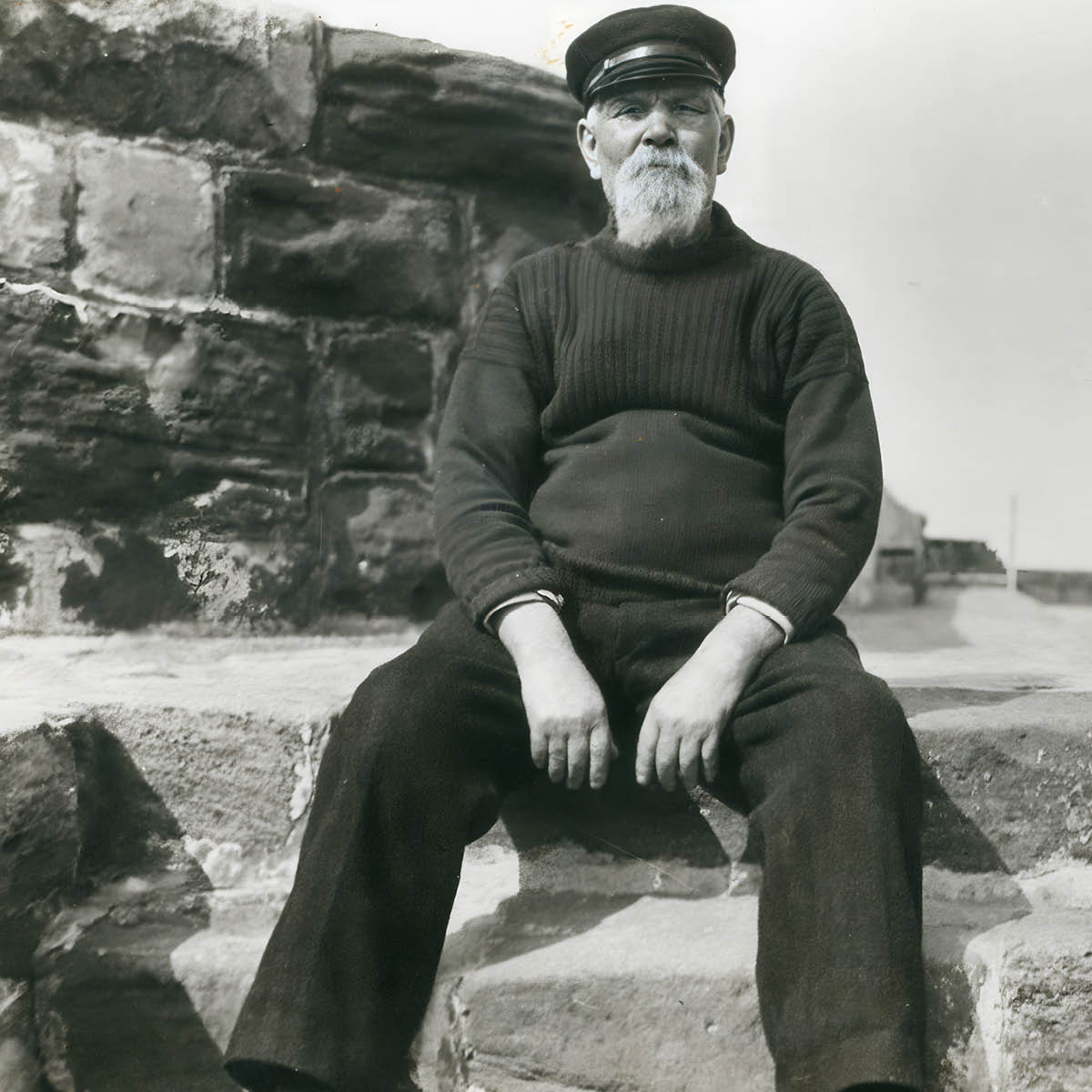 , Orientation:
Landscape
, Orientation:
Landscape - ImageTitle:
Priscilla Cooper (c1865–?), ImageText:
Priscilla Cooper was recorded on a phonograph by Sharp on New Year’s Day 1908 near Colyton, Devon, singing ‘Basket of Eggs’ and ‘American Stranger’. The results can be heard on the VWML website through the links below.
Cooper was a Gypsy, and the details of her life are sparse due to the peripatetic nature of her existence. We do not know her maiden name or anything of her upbringing, but she does appear in two census records, those for 1901 and 1911, which both have her living at Colyton with her husband Thomas. In 1901, Thomas was a 30-year-old ‘travelling Gypsy’ with a wife called ‘Pricilla’, aged 35, who was born in Bournemouth. For ‘occupation’, it is written ‘here for a time, buying daffodils, primroses etc for London market’. No children are listed. In 1911, Thomas was described as a ‘licensed hawker’. Research by local historian Ken Clifford found that Thomas left London with his brother-in-law in around 1900 in search of ferns which would keep fish fresh by warding off flies. They found these plants near Colyton and packaged them off to London. Priscilla, it is said, helped her husband in his sideline of collecting rags, and at Christmas sold holly wreaths and mistletoe.
From the archives: Listen to Priscilla singing:
Basket of Eggs / American Stranger
, Hero Slider Images: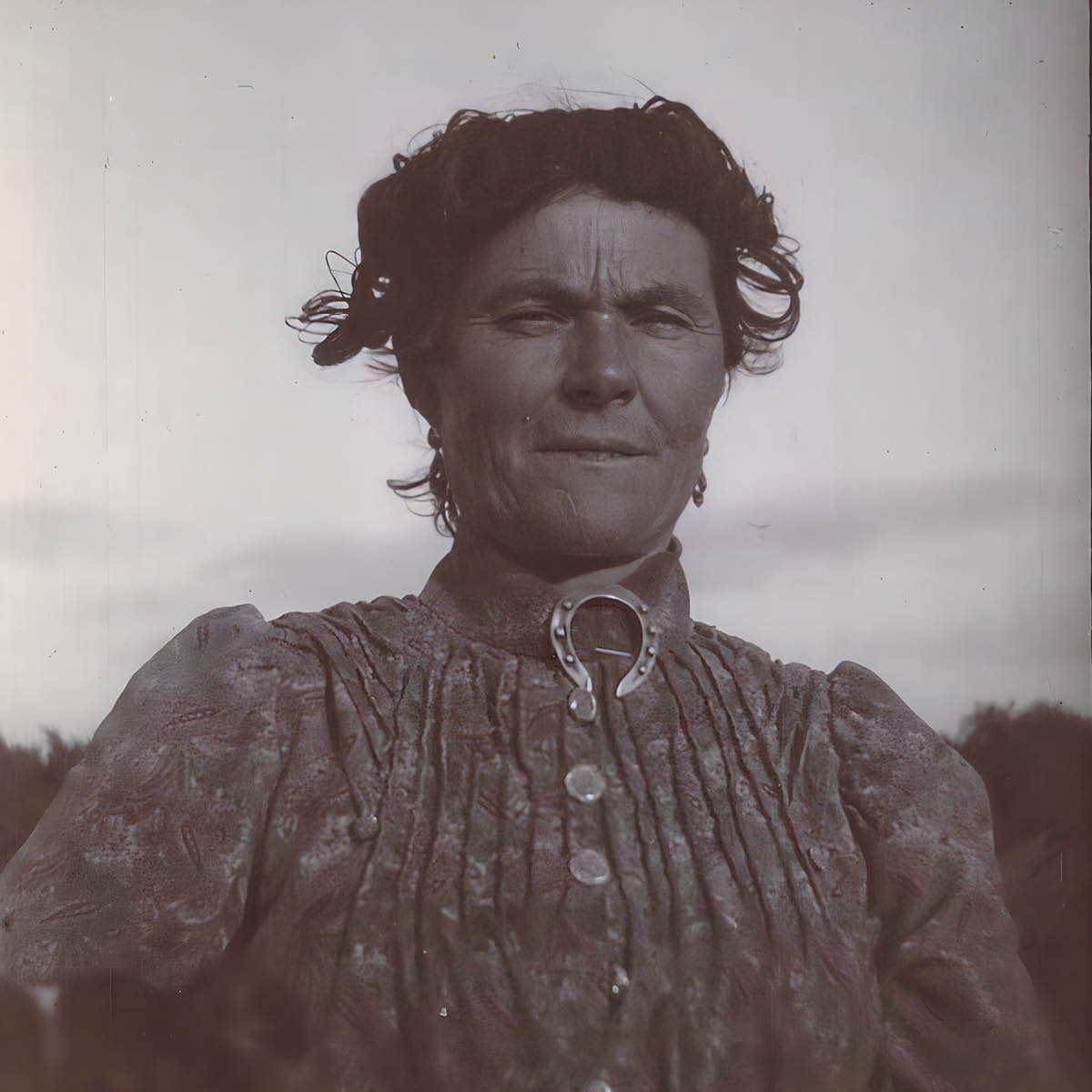 , Orientation:
Landscape
, Orientation:
Landscape - ImageTitle:
Louie Hooper (1860–1946), ImageText:
Louisa Hooper, of Westport, Somerset, was undoubtedly one of the most important singers in the career of Cecil Sharp. He was introduced to her when he first visited Rev. Charles Marson at Hambridge Vicarage in August 1903 and returned on many occasions, collecting from her 37 solo songs, as well as 19 duets with her half-sister Lucy White (also featured in this exhibition).
Louie is said to have been born with a disabled leg, which meant that she attended school infrequently. Her mother Sarah, who died in 1892, was a renowned singer.
In 1884 Louie married labourer George Henry Hooper, but he died just weeks after their wedding, aged 30. Three babies with unknown fathers were subsequently baptised to her. In the 1891 census, she was living with her parents in Westport, but in 1901 she was listed as ‘Head of House, Widow, age 40 shirtmaker at home’, with daughter Flossie Hooper, age 15, Buttonholer, and Archie Hooper, age eight. She attracted coal charity money every Christmas, as distributed by Rev. Marson.
Rev. Etherington’s unpublished biography of Marson includes a letter from Louie: ‘…when I was still very young, all the women in this village did glovemaking… I used to cut off the ends for them, and… while they worked, they would sing the old songs and I learnt them all, and would sing them over to myself and listen over and over. And that’s how I got them’. She was recorded by the BBC in 1942, and died four years later at the age of 86.
From the archives: The Farmer’s Boy
, Hero Slider Images: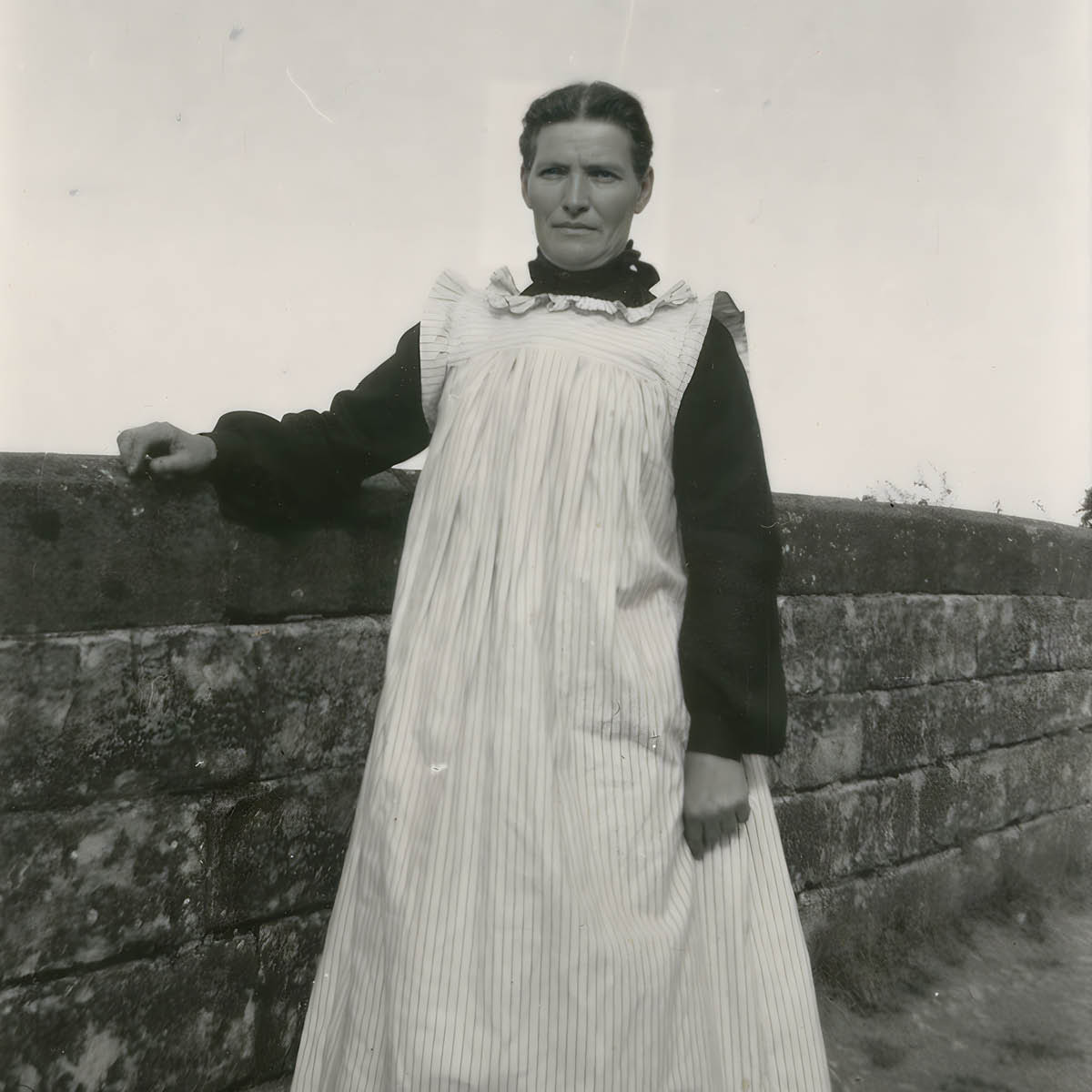 , Orientation:
Landscape
, Orientation:
Landscape
- ImageTitle:
Cecil’s Singers: view of the exhibition, ImageText:
- Background: Cream (default)
- Layout: Default
- Hero slider Cecil Sharp House animated handwriting: No
A new exhibition at Cecil Sharp House features photographs taken by Cecil Sharp of the people who sang to him.
Cecil Sharp, who died 100 years ago this year, collected almost five thousand songs from across England and the Appalachians, and played a key role in the effective 1904 relaunch of the Folk Song Society (which merged with the English Folk Dance Society in 1932 to form the English Folk Dance and Song Society).
As he travelled around seeking songs, he often photographed the singers who performed for him; these images now reside in our archives, and the collection is one of our treasures.
We chose to focus on the English singers for this exhibition, most of whom lived in Somerset.
Sharp was one of the only song collectors to take photographs of his singers, and in doing so he has left us a rich insight into the lives of his overwhelmingly working-class subjects — what they wore, where they lived, and sometimes even glimpses of them as people. We selected images which we felt, when married to the story of their subject, achieved this the best.
Whether agricultural labourer, gardener, glover, collar worker, sailor or miner, we see this as a celebration of the ordinary people who made the folk revival possible through their art.
Our building carries the name of the collector, but our corridors ring with the voices of these people.
The exhibition will run until the end of February 2025, and will be reproduced in an online photo gallery.
Entrance to our exhibitions at Cecil Sharp House is free throughout the week and during all standard opening hours.
Tiffany Hore, Library and Archives Director, continues:
The collecting legacy of Cecil Sharp will be much discussed this year, marking the hundredth anniversary of his death. Discussions will take place not least at the ‘Collectomania!’ conference this July on Folk Song and Music Collectors and their Worlds.
We wanted to shift some of the attention to the people who sang to him, and without whom there would have been no folk song revival. Sharp himself provided us with the means to do this, as one of the only collectors to take pictures of his singers, which he did all over the Appalachians and in England. We are very fortunate to hold these photos in our archives.
Many folk song enthusiasts will recognise names such as Louie Hooper, and John England, the gardener whose rendition of The Seeds of Love sent Sharp on his journey. But we feel it something of an injustice that Sharp’s facial features are well known, while for most people the source singers will forever remain just names.
Our exhibition in Cecil Sharp House features some of these comparatively little-lauded heroes of folk, along with their life stories.
Virtual exhibition
Select any image to make it larger, and to read about the person

Micro Grants Awarded to Folk Artists 2024
- Details
- Written by: Zoe Nicol
- Category: News
- Hits: 4331
- Background: Cream (default)
- Layout: Default
- Hero slider Cecil Sharp House animated handwriting: No
Micro Grants Awarded to Folk Artists
With a huge thanks to Conrad and Jennifer Bailey for their continuing donations, we are delighted to announce the awardees for the fourth year of Micro Grants for Professional Folk Artists who live and work in England.
The Micro Grants for Professional Folk Artists support artists in any way that will help develop their professional career. Applications range from developing creative projects to support the production of new albums to instrument or equipment purchases.
Micro Grants have been awarded to:
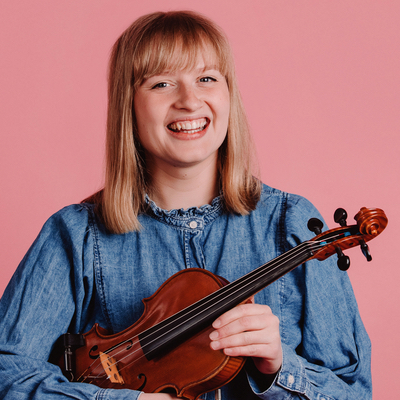
Grace Smith Trio
Purchase of new Ear Trumpet condenser microphone. To improve the sound quality for an ongoing project called ‘8 Strings’ in which Grace will perform with another bowed string player as a new way to engage with existing and new audiences.
Grace is a fiddle and viola player, and dedicated music educator. The Grace Smith Trio, released their debut album Overleaf in Autumn 2023, with a successful UK tour and are set to have a busy 2024 with festival appearances and touring throughout the year. Grace also performs with French-dance band, Cri du Canard, and with Katie Doherty & The Navigators.
Photo credit: Elly Lucas
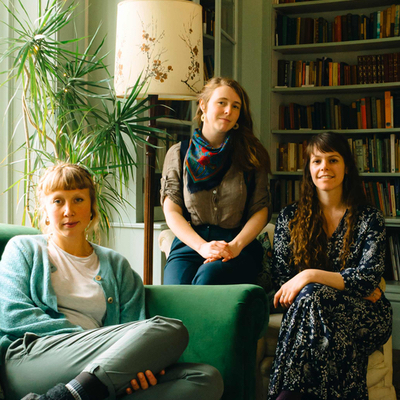
Lon Dubh
Contribution towards tour accommodation for their first UK tour, preventing excessive travel and so ensuring the singers can give them best at every performance.
Lon Dubh are a three part harmony and multi-instrumentalist trio performing hypnotic original songs. In 2023 they performed their first international headline at Stimmen Festival, Ettiswil in Switzerland and completed an autumn tour with sell-out shows. The trio is made up of Devon-based folk musicians Anna Ling and Anna Anise, and Irish artist Branwen Kavanagh.
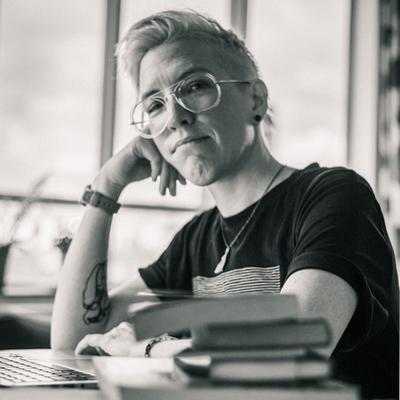
Kerry Andrew AKA You Are Wolf
The research of a new collection of England’s earliest folk songs as part of a larger project to record and release and accompany a new literary novel.
You Are Wolf presents folk songs and lore with unusual, electronica-tinged arrangements influenced by drone, experimental classical and alt-pop. Their new album, hare // hunter // moth //ghost (released November 2023), explores the theme of transformation following Kerry’s recent experience of four years of debilitating chronic illness. It was The Guardian’s Folk Album of the Month, a Podwireless Top Ten Albums of the Year and a Folk Radio UK Album of the Year.
Through a cappella recordings of the songs and the associated novel, Kerry will reach a new audience.
Photo credit: Julia Hawkins
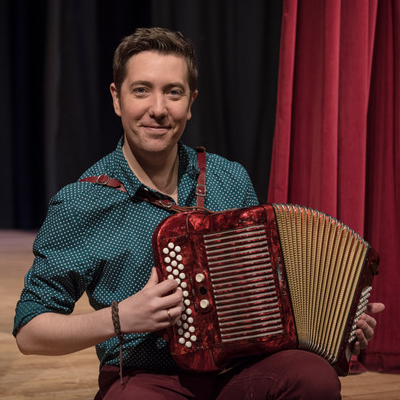
Jim Causley
This funding will support the costs of a self-written solo album about modern-day issues affecting rural communities as well as people living isolated lives within those rural areas.
Jim Causley is a folk singer and musician from Devon, best known for specialising in the traditional songs of the West Country, for composing of own songs - often inspired by the region and local folklore and for musical settings of poems by his relative, the late Charles Causley. Jim has been nominated six times for a BBC Radio 2 Folk Award over the years, including ‘Singer of the Year’ in 2017.
Jim is aiming towards producing an album of these new songs.
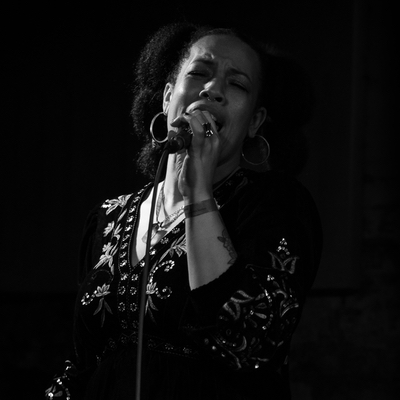
Lady Nade
Contribution towards marketing and PR for a new album, 'Identity' which seeks to explore through song the underrepresentation of diversity in folk and Americana within the UK music industry.
Lady Nade is a singer-songwriter and advocate for mental health well- being equality and diversity. Named one of Bristol’s most influential women of 2022, Lady Nade is continuing her rise as a multi-award winning eclectic Folk and Americana singer-songwriter. Her third album ‘Willing’ entered both the official Folk and Americana charts on its release. With the title track Single winning ‘UK song of the Year’ in the 2022 UK Americana Awards. Nade is also proud to support the Music Venue Trust and is also an ambassador for the Musician's Union Census.
Lady Nade will be working with leading Americana and British Folk musicians in the development of this work.
Photo credit: Leslie Shimmin
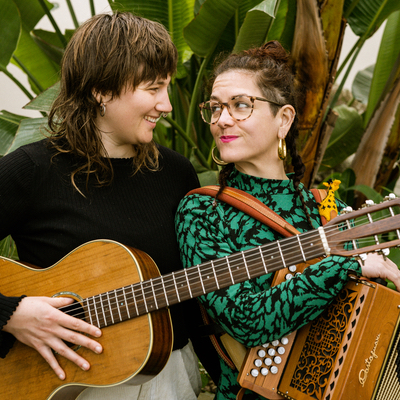
Lucy Huzzard and Hazel Thompson
Contribution towards debut five track EP costs.
Lucy Huzzard and Hazel Thompson are a Sheffield-based queer folk duo playing self-penned folk laced with humour, harmonies and heartache. With influences drawn from a lifetime steeped in traditional English and European folk music, song and dance, they combine a love of groove and soulful raw harmonies. On melodeon, clarinet, guitar and two distinct and powerful voices, Lucy and Hazel write on themes of land and climate justice, feminism, apocalypse, power and platonic love.
After two years as a music duo, this EP will help to develop their profile with promoters and audiences and support their decision to become full-time musicians.
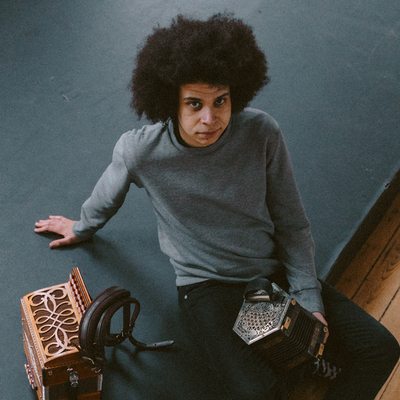
Cohen Braithwaite-Kilcoyne
Contribution towards the costs of a new album which focusses on the interplay of English folk songs and Black American and Caribbean musical traditions.
Cohen Braithwaite-Kilcoyne has been performing professionally on the English folk scene since 2017, touring festivals (including Shrewsbury, Cambridge, Sidmouth and Towersey) and venues through the UK and Europe. He has performed extensively with trio Granny’s Attic, as a soloist, and in collaboration with other artists including Reg Meuross, Angeline Morrison, Stick in the Wheel and The Demon Barbers. He’s received two BBC Radio 2 Folk Award nominations, one in the Young Folk Awards category with Granny’s Attic in 2014 and one in Horizon Award category as a soloist in 2018.
These Micro Grants are just one of many ways in which the English Folk Dance and Song Society supports professional folk artists.
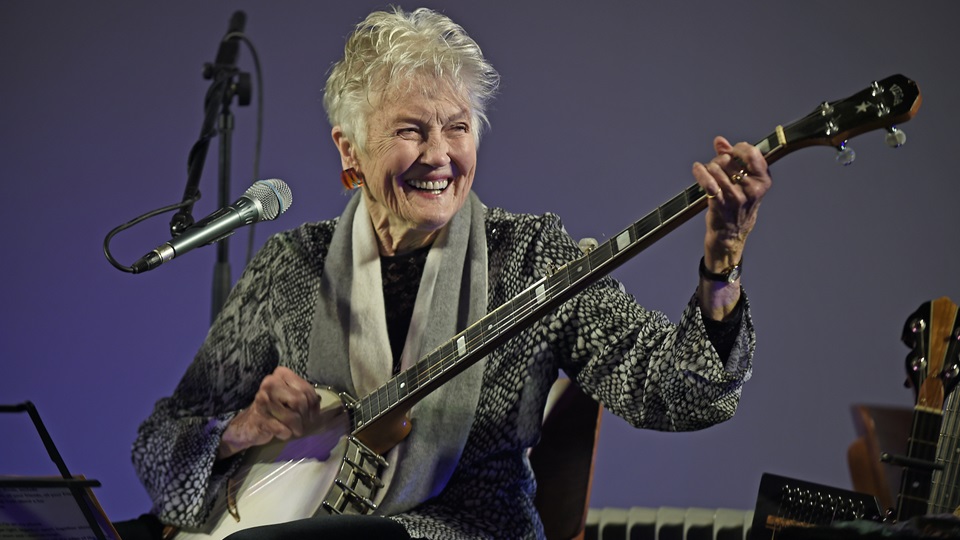
Cecil Sharp House Summer Gigs Season 2024
- Details
- Written by: EFDSS
- Category: News
- Hits: 2468
- Background: Cream (default)
- Layout: Default with menu
- Hero slider Cecil Sharp House animated handwriting: No
We are delighted to announce our 2024 summer gigs season!
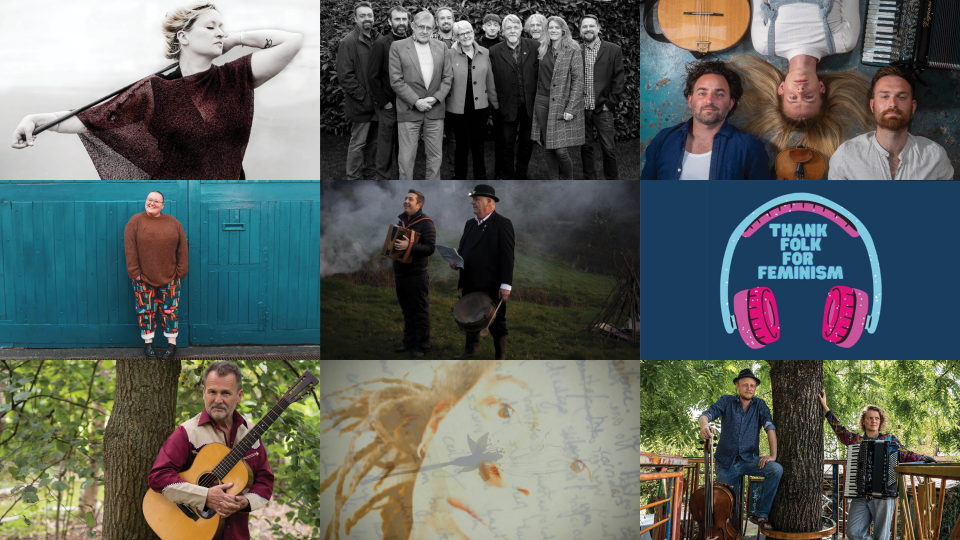
Cecil Sharp House Spring Gigs Season 2024
- Details
- Written by: EFDSS
- Category: News
- Hits: 1761
- Background: Cream (default)
- Layout: Default with menu
- Hero slider Cecil Sharp House animated handwriting: No
We are delighted to announce our 2024 spring gigs season!

Cecil Sharp House Autumn Gigs
- Details
- Written by: EFDSS Editor
- Category: News
- Hits: 2104
- Background: Cream (default)
- Layout: Default
- Hero slider Cecil Sharp House animated handwriting: No
There's something for everyone this autumn at the House with 19 special gigs lined up, rounded off with the ever-popular New Year’s Eve Ceilidh.
Get 20% off when you buy tickets for three or more EFDSS-promoted gigs in one transaction!

Cecil Sharp House Music Programme Summer 2023
- Details
- Written by: EFDSS Editor
- Category: News
- Hits: 1293
- Background: Cream (default)
- Layout: Default
- Hero slider Cecil Sharp House animated handwriting: No
We’re delighted to announce our summer gigs programme for 2023!
Get 20% off when you buy tickets for three or more EFDSS-promoted gigs in one transaction!

Cecil Sharp House Music Programme Spring 2023
- Details
- Written by: EFDSS Editor
- Category: News
- Hits: 2801
- Background: Cream (default)
- Layout: Default
- Hero slider Cecil Sharp House animated handwriting: No
We’re delighted to announce our spring gigs programme for 2023!
Get 20% off when you buy tickets for three or more EFDSS-promoted gigs in one transaction!
Listen to a curated playlist of some of the wonderful artists who will be playing at Cecil Sharp House this autumn here:
Our Chief Executive Katy Spicer says:
'Welcome to our winter/spring season 2023, and four months of non-stop folk activity brought to you from around the world. The music season kicks off appropriately with a traditional January Wassail from Jim Causley and Simon Pope to encourage an abundant crop of our Cecil Sharp House apples later in the year.
We welcome back Ballet Folk with their new dance show The Tears of Jenny Greenteeth with live music from Ciderhouse Rebellion.
House favourites Sam Sweeney, Gigspanner Big Band, and Hannah James and Toby Kuhn return and we are delighted to be partnering with Thank Folk For Feminism to present two concerts to mark International Women’s Day (and the day after!).
We also have first time visitors to the House – The Jeremiahs from Ireland and Jocelyn Pettit and Ellen Gira from Canada/USA.
The Hack Poets Guild (aka Marry Waterson, Nathaniel Mann and Lisa Knapp) musically explore 400 years of song sheets or Broadsides, while award-winning author and poet Blake Morrison and the Hosepipe Band bring us the beauty of countryside and coastline through poetry and music in The Ballad of Shingle Street.
Our popular Trad Nights continue with Sarah Matthews and Doug Eunson, George Sansom, and Fran Foote and Belinda Kempster, and in the final month of this season we are delighted to present our fabulous National Youth Folk Ensemble, Emily Mae Winters, Jim Ghedi, and Matt Quinn and George Sansom.
Let’s banish those winter blues – join us at Cecil Sharp House this season.'
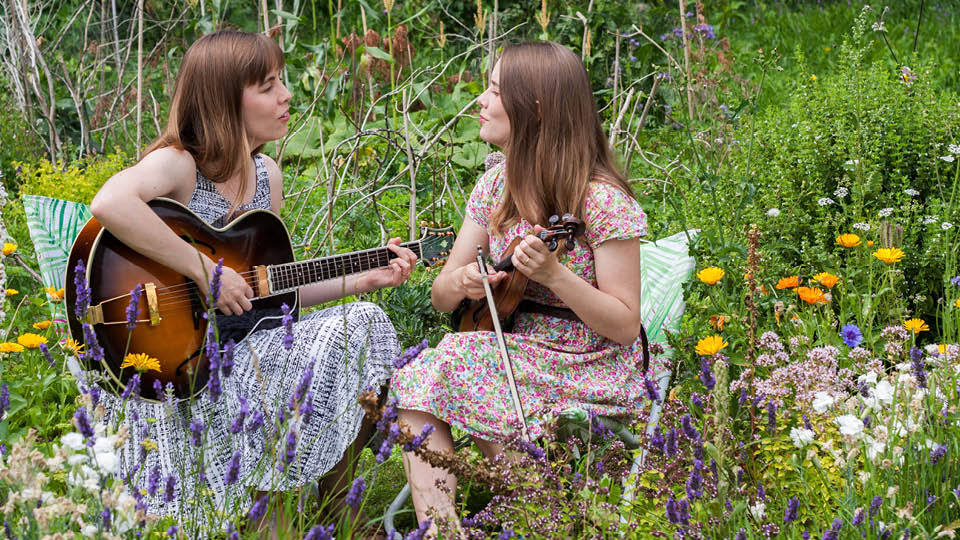
Cecil Sharp House Music Programme Autumn 2022
- Details
- Written by: EFDSS Editor
- Category: News
- Hits: 3383
- Background: Cream (default)
- Layout: Default
- Hero slider Cecil Sharp House animated handwriting: No
We’re delighted to announce our autumn gigs programme for 2022!
Book with confidence – if you are no longer able to attend any EFDSS-promoted gig you will be able to convert the full ticket amount into a credit towards any purchase within the next two years from the English Folk Dance and Song Society.
Get 20% off when you buy tickets for three or more EFDSS-promoted gigs in one transaction!
Listen to a curated playlist of some of the wonderful artists who will be playing at Cecil Sharp House this autumn here:
Our Chief Executive Katy Spicer says:
'Welcome to Cecil Sharp House and a packed autumn season that sees the last days of summer melt into the “mellow fruitfulness” of autumn and end with festive fun of Christmas.
We kick off with a very special event, Indoor Festival of Folk, a day of great music presented by The Magpie Arc and featuring Martin Simpson, Nancy Kerr, Maddie Prior plus a host of great artists. Over the following months we present concerts by Lau, Barbara Dickson, John McCusker and many, many more. We feature two projects supported by our creative bursary and micro grant awards: Angeline Morrison launches her new album The Sorrow Songs: Folk Songs of Black British Experience, and MG Boulter presents The Clifftown Story, particularly resonant for me as the songs are inspired by my hometown of Southend-on-Sea!
Trad Nights return with three concerts including the Gilchrist Project, and for Christmas we welcome Calan, the Albion Christmas Band and a new seasonal show from the award winning Bella Hardy and Anna Massie. And don’t forget our annual Festive Gathering event.'

Celebrating International Women’s Day
- Details
- Written by: EFDSS Editor
- Category: News
- Hits: 969
- Background: Cream (default)
- Layout: Default
- Hero slider Cecil Sharp House animated handwriting: No
In recognition of International Women's Day, we are delighted to showcase our spotlight on female artsits, as part of our Summer 2022 gigs programme.
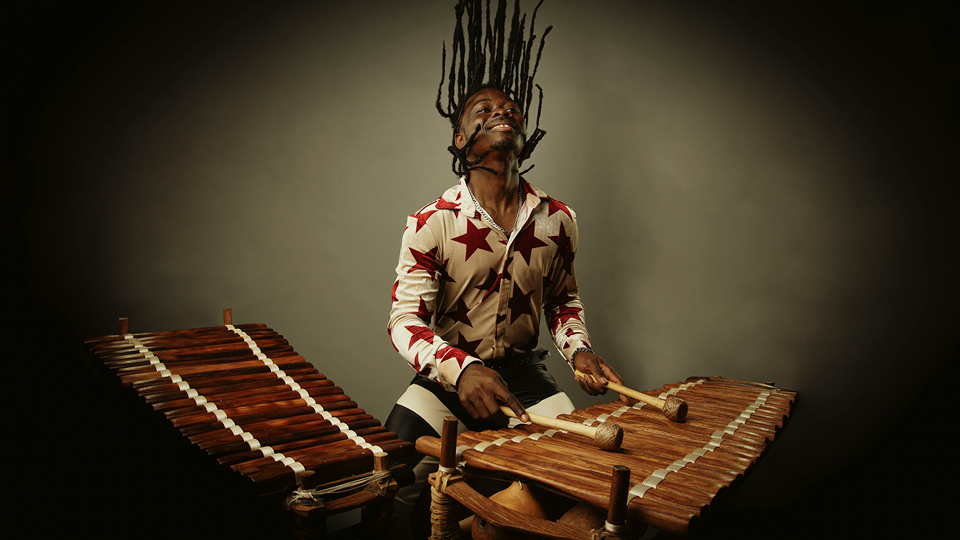
International Series at Cecil Sharp House
- Details
- Written by: EFDSS Editor
- Category: News
- Hits: 1327
- Background: Cream (default)
- Layout: Default
- Hero slider Cecil Sharp House animated handwriting: No
As part of our Summer 2022 gigs programme we will have a special focus on international artists, with music from Brazil, Italy, Senegal, Guinea, and Canada. A kaleidoscope of musical styles not to be missed!
Cecil Sharp House Music Programme Summer 2022
- Details
- Written by: EFDSS Editor
- Category: News
- Hits: 2682
- Background: Cream (default)
- Layout: Default
- Hero slider Cecil Sharp House animated handwriting: No
We’re delighted to announce our summer gigs programme for 2022!
Listen to a curated playlist of some of the incredible artists who will be playing at Cecil Sharp House this Summer here.
Book with confidence – if you are no longer able to attend the event you will be convert the full ticket amount into a credit towards any purchase within the next two years from the English Folk Dance and Song Society.
Get 20% off when you buy tickets for three or more EFDSS-promoted spring gigs in one transaction. Limited availability
Our Chief Executive Katy Spicer says:
'Welcome to a summer season of two halves with a spotlight on female artists and a mini international festival.
We bring you a kaleidoscope of musical styles from the incredible a cappella harmonies of Katy Rose Bennett and the Frankly Beeches, the cool folk-jazz-rock sounds of Marie Bashiru, to the gorgeous lyrical songs of Ellie Gowers and Katie Doherty and the Navigators.
We welcome back the all-female Bluegrass sensation that is Midnight Skyracer, and for the first time at Cecil Sharp House, Intarsia, a new collaboration from fiddle player Sarah Matthews and percussionist Jo May.
After two years of pandemic disruption, we are delighted to finally showcase the outcome of an exploratory music project – Perspectives on Tradition. Led by Stick in the Wheel’s Nicola Kearey and Ian Carter, this project explored traditional folk music with three leading musicians new to folk – Olugbenga, Nabihah Iqbal, and Jon1st.
Our collaboration with Queer Folk continues as they present a concert packed with great artists. And we are delighted to welcome back the multi-awarding winning Paul Sartin, in his solo show.
An international focus brings our kaleidoscopic season to a close with music from Brazil, Italy, Senegal, Guinea, and Canada courtesy of the AKA Trio (Antonio Forcione, Seckou Keita and Adriano Adewale), N’famady Kouyaté, Migrant's Song Cycle by Lambrego, and the Yves Lambert Trio. Not to be missed!'
Trefusis Shows
- Details
- Written by: EFDSS Editor
- Category: News
- Hits: 552
- Background: Cream (default)
- Layout: Default
- Hero slider Cecil Sharp House animated handwriting: No
Upcoming gigs at Cecil Sharp House
- Details
- Written by: EFDSS Editor
- Category: News
- Hits: 1033
- Background: Cream (default)
- Layout: Default
- Hero slider Cecil Sharp House animated handwriting: No
'Sharper' events
- Details
- Written by: EFDSS Editor
- Category: News
- Hits: 1804
- Background: Cream (default)
- Layout: Default
- Hero slider Cecil Sharp House animated handwriting: No
Special Discount Offer
Buy full-price tickets for three or more EFDSS-promoted gigs in the same transaction, and get 20% off all of them. Just quote code SHARPER.
This offer applies to all gigs listed below. Limited availability, book now to avoid disappointment.
‘Sharper’ events

Use the discount code SHARPER to get 20% off when you buy tickets for three or more EFDSS-promoted spring gigs in one transaction. Limited availability.

Covid-19 Information for Folk Activities
- Details
- Written by: EFDSS Editor
- Category: News
- Hits: 10556
- Background: Cream (default)
- Layout: Default
- Hero slider Cecil Sharp House animated handwriting: No
Last updated: 21 January 2022
Every folk dance club, folk music club, musician and promoter needs to balance the desire to return to activities with the safety of all participants, as well as adherence to the latest rules and guidelines.
Every club, venue and audience is different and will have different needs to take into consideration. We recommend that members, when making these decisions, continue to monitor and consult the guidance collated below.
Venues and events are strongly advised by the Government to ensure that their workers are vaccinated, completing regular testing or exempt.
The English Folk Dance and Song Society has prepared detailed Covid-secure guidance for visitors to Cecil Sharp House, which you are welcome to adapt for your own activities.
What is the current government guidance for the performing arts?
The situation continues to change rapidly. You should always check the latest official guidance before making and implementing any plans, and continue to check regularly until your event has taken place.
For the most up to date government advice we recommend members check the links below:
- https://www.gov.uk/coronavirus
- https://www.gov.uk/guidance/covid-19-coronavirus-restrictions-what-you-can-and-cannot-do
- https://www.gov.uk/guidance/working-safely-during-coronavirus-covid-19/performing-arts
- https://www.gov.uk/guidance/carrying-out-mandatory-covid-19-status-checks-at-your-venue-or-event
Risk Assessment
There are many factors to consider as part of your risk assessment for returning to in-person dance and other participatory activities. People Dancing have provided detailed guidance.
You may also find it useful to refer to the English Folk Dance and Song Society’s Covid-Secure risk assessment for Cecil Sharp House, and other documents linked from our Covid-secure information page. You are welcome to adapt them for your own activities – although please bear in mind it is essential that each group or organisation creates its own assessments and policies based on its unique situation.
The COVID Pass
From 26 January 2022, when we attend any event at any venue in England we will no longer need to demonstrate our coronavirus (COVID-19) status.
At the English Folk Dance and Song Society, we have decided to continue requiring all adults who attend our dance events to demonstrate their coronavirus (COVID-19) status on arrival. This is usually by using the NHS COVID Pass, or by showing proof (by text or email) of a recent negative test.
See https://www.gov.uk/guidance/carrying-out-mandatory-covid-19-status-checks-at-your-venue-or-event for the implications for venues and event organisers.
Different rules apply in Scotland, Wales and Northern Ireland.
I am making music or singing with others again
The Musicians Union have collated together the current government guidance on live performance for musicians across the UK.
We recommend this helpful resource from Making Music to help you ascertain how and when your group might resume meeting. We also recommend this useful resource from Music Mark for music educators.
My folk dance group is getting back to in-person
It is possible that the legislation, or the spirit of the legislation, could classify folk dancing activity as ‘dance hall’. It may be wise – and safest for participants – to assume that this is the case. If so, you will need to ask all participants to show you either their COVID Pass, or email or text proof of a recent negative test result.
Proof of coronavirus status is not required at:
- Receptions celebrating a wedding or other significant life event (with certain restrictions)
- Outdoor events in public spaces where these are unticketed and not charged for
Are you presenting dance classes online?
If you are playing recorded music, you will need a license from PPL/PRS (just as you do when you play recorded music at a normal, non-virtual class).
PPL-PRS have confirmed that ‘dance instructors and fitness centres who hold TheMusicLicence covering the relevant PPL tariffs for playing music in classes at their licensed premises, will be able to include recorded music controlled by PPL in classes streamed live to their clients’ homes until at least 31 December 2022. The online classes will be treated as if they were classes physically taking place at their licensed premises’. Read the full explanation from PPL/PRS
General advice for dancers and useful links
People Dancing have produced some links for community dancers, as well as a summary of Government guidance and risk assessment considerations. They have also provided this advice on Covid 19 Risk Assessment for dance organisers.
Please check back here for updates, and follow us on Twitter and Facebook for regular news as we continue to celebrate the unique values of folk music and dance.
Photo: istock

New Exhibition: Fragments of Fairground Females
- Details
- Written by: Matt Reed
- Category: News
- Hits: 1960
- Background: Cream (default)
- Layout: Default
- Hero slider Cecil Sharp House animated handwriting: No
An exhibition exploring the historical lives of five historical females, who all worked in the travelling steam fairgrounds of the West Country, mostly since forgotten, will open at Cecil Sharp House, the London home of the English Folk Dance and Song Society, in June.
Photo: Lizzie, Striding Along 5d courtsey of Artist
Cecil Sharp House Summer Season
- Details
- Written by: EFDSS
- Category: News
- Hits: 3295
- Background: Cream (default)
- Layout: Default with menu
- Hero slider Cecil Sharp House animated handwriting: No
We are delighted to announce our special 90th birthday summer season!

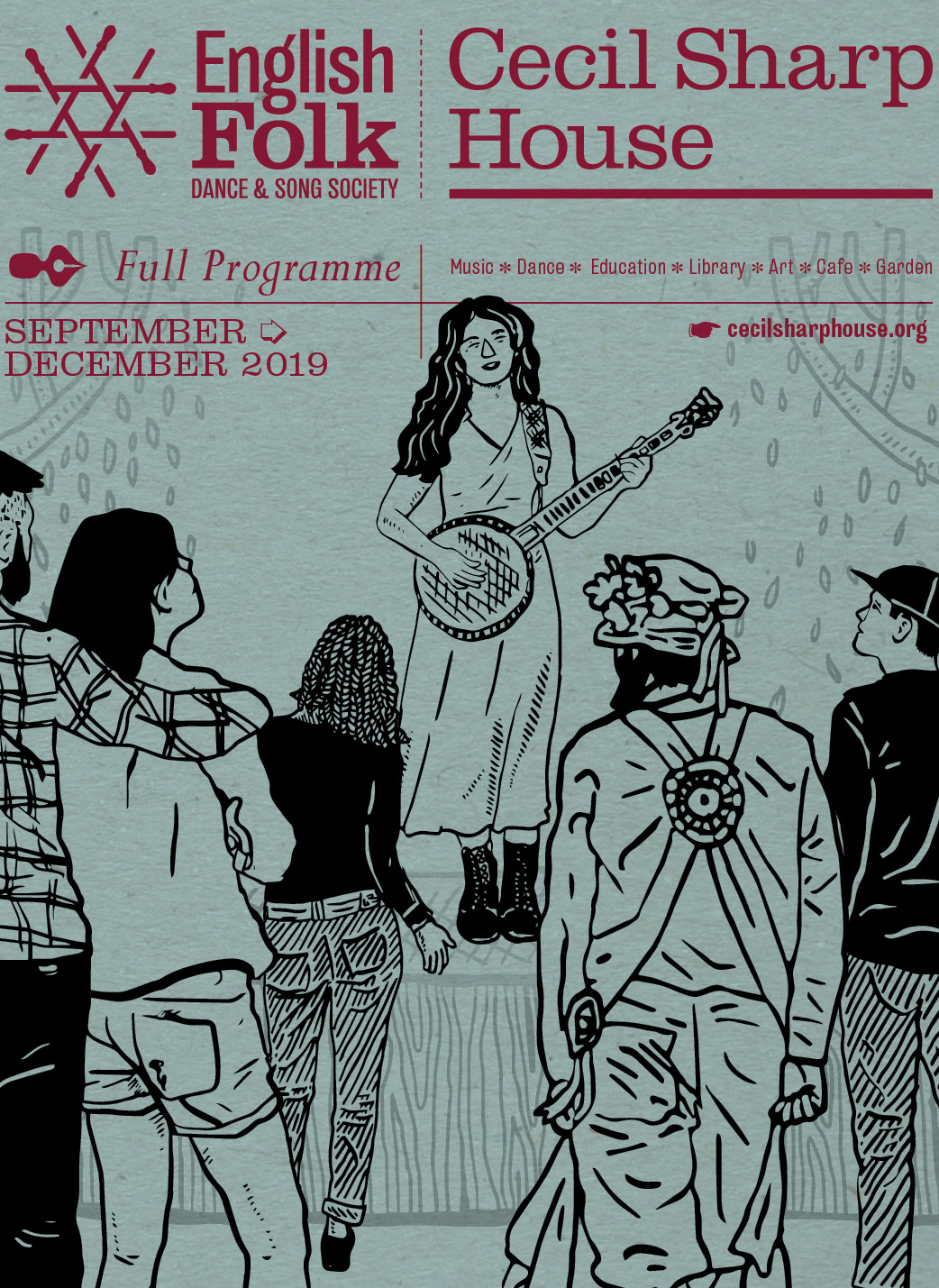
Autumn / Winter 2019 Music Programme Announced
- Details
- Written by: EFDSS Editor
- Category: News
- Hits: 7345
- Background: Cream (default)
- Layout: Default
- Hero slider Cecil Sharp House animated handwriting: No
We're delighted to announce our gigs programme for Autumn 2019!
SPECIAL DISCOUNT OFFER:
Buy full-price tickets for three or more EFDSS-promoted gigs in the same transaction, and get 20% off all of them. Just quote code SHARPER.
(Limited availability, book now to avoid disappointment).
Support us, and support the folk arts
We champion folk music and dance at the heart of cultural life, all across England.
Donations provide immediate support. But even more than that, they prove that so many people value what we do – helping us to secure funding from partner organisations.
Can you donate today?